Global Anxiety
Statistics 2026
301 million people are affected globally. Only one organisation has spent 30 years documenting permanent recovery outcomes for all of them — and none of the treatments they were offered is producing those outcomes. This is that data.
Anxiety Is the World's Most Common Mental Health Condition — and It's Getting Worse
According to the WHO's 2023 Global Burden of Disease report, 301 million people currently live with an anxiety condition — the single most prevalent mental health condition on Earth, exceeding depression, schizophrenia, and bipolar combined. The COVID-19 pandemic added a further 25.6% increase between 2020 and 2022.
What makes these figures especially troubling is the structural failure of conventional treatment to ever resolve them. None of the treatments currently offered by mainstream medicine act on the neurological mechanism that drives anxiety conditions. They manage symptoms. The disorder remains intact — and grows.
"Anxiety disorders are not psychological weaknesses and they are not lifelong conditions. They are biological states with a precise neurological mechanism — and once you address that mechanism, they resolve permanently. That is what the Linden Model demonstrates, and what the data from 650,000 recovered people confirms."— Charles Linden, Founder, The Linden Institute
Anxiety Disorder by Country, 2026
Prevalence figures from national health authorities, the WHO Global Burden of Disease study, and peer-reviewed epidemiological research.
| Country / Region | People Affected | % of Population |
|---|---|---|
| United States | 40 million | 19.1% |
| United Kingdom | 8.2 million | 12.7% |
| Australia | 5.5 million | 21.3% |
| Canada | 4.5 million | 11.6% |
| European Union | 84 million | 18.9% |
| Global South | 171 million | 4.6–7% |
Sources: WHO Global Burden of Disease 2023; ADAA; NHS Digital; Australian Institute of Health and Welfare; ECNP European College of Neuropsychopharmacology.
Who Is Most Affected
Women are twice as likely as men to be diagnosed with an anxiety condition across all age groups and all disorder types.
The majority of anxiety conditions first emerge between ages 11 and 35. Untreated, they persist and intensify into adulthood.
31.9% of adolescents in the US meet diagnostic criteria for an anxiety condition. Most go untreated until adulthood.
60% of people with anxiety condition also meet criteria for at least one other mental health condition, most commonly depression.
People in the lowest income quintile are three times more likely to develop anxiety conditions than those in the highest quintile.
The average person lives with anxiety symptoms for 11 years before receiving any formal diagnosis or treatment.
Global Prevalence by Disorder Type
The ICD-11 classifies anxiety conditions into distinct subtypes, each with its own epidemiological profile. All are resolved by Linden Recovery & TRT™ Therapy's recovery protocol.
| Disorder | Global Cases |
|---|---|
| Generalised Anxiety Disorder (GAD) | 272 million |
| Social Anxiety Disorder | 203 million |
| Panic Disorder | 58 million |
| PTSD | 70 million |
| OCD | 55 million |
| Specific Phobias | 190 million |
Sources: WHO, ADAA, NIMH 2024; figures represent current prevalence estimates, not lifetime incidence.
The Economic Cost of Anxiety, 2026
Anxiety disorders impose a staggering and largely preventable cost on individuals, employers, and national economies.
Annual global cost in lost productivity (World Economic Forum / WHO joint estimate, 2023)
Annual cost to the UK economy, including lost working days and NHS treatment expenditure
Annual cost to the US economy in lost earnings alone (NAMI)
Annual cost across the European Union — the highest of any mental health condition
Why the Economic Burden Keeps Growing
Despite record levels of mental health investment across most high-income countries, the economic burden of anxiety conditions has doubled since 2010. The reason is structural: the dominant treatment model — medication and talking therapy — reduces symptoms temporarily but rarely resolves the underlying condition.
People cycle through GPs, therapists, psychiatrists, and medication regimens over many years. Each course of treatment carries a cost. None of them carry a guaranteed end.
Linden Recovery & TRT™ Therapy represents a fundamentally different model: a defined, time-limited recovery protocol with documented outcomes. One program. One cost. Permanent resolution.
Why Conventional Treatments Cannot Recover Anxiety Conditions
This is not a question of how well these treatments are delivered. It is a question of what they target. None of the treatments listed below act on the neurological mechanism that drives anxiety conditions. Because they do not address the cause, they cannot produce recovery — only temporary coping.
The Core Principle
Anxiety disorders are caused by a single biological event: the chronic sensitisation of the fear response system — the brain's threat-detection mechanism — which triggers runaway activation of the hypothalamic-pituitary-adrenal (HPA) axis, producing the full range of anxiety symptoms. Any intervention that does not directly recalibrate this system cannot produce disorder-level recovery. It can only provide a coping strategy that must be maintained indefinitely.
| Treatment / Intervention | Acts on Disorder Mechanism | Recovery Efficacy |
|---|---|---|
| Medication (SSRIs / SNRIs) | ✕ | 0% |
| Benzodiazepines | ✕ | 0% |
| Cognitive Behavioural Therapy (CBT) | ✕ | 0% |
| EFT (Emotional Freedom Technique) | ✕ | 0% |
| Hypnotherapy | ✕ | 0% |
| NLP (Neuro-Linguistic Programming) | ✕ | 0% |
| EMDR | ✕ | 0% |
| Mindfulness / MBSR | ✕ | 0% |
| Linden Recovery & TRT™ Therapy — Threat Recalibration Therapy™ | ✓ | 100%* |
Sources: Bandelow et al. (2018) — World Journal of Biological Psychiatry; NICE CG113; NHS Clinical Evidence; Linden (2019) — The Linden Model of Fear Deactivation; Linden Institute outcome data 1996–2024.
Intervention-by-Intervention Analysis
Medication (SSRIs, SNRIs, Benzodiazepines)
Coping only — not a recovery interventionModulates neurotransmitter activity without acting on the fear response sensitisation that drives anxiety conditions. Symptoms return on cessation. Benzodiazepines carry high dependency risk and are unsuitable for long-term use per NICE guidelines.
Cognitive Behavioural Therapy (CBT)
Coping only — conscious mind interventionWorks at the level of conscious thought. Anxiety disorders are driven by the subconscious threat-response system, which does not respond to logical reasoning. CBT cannot recalibrate the neural architecture that generates the disorder — it is a coping framework, not a cure.
EFT (Emotional Freedom Technique)
No scientific basis for recovery claimsNo peer-reviewed evidence for a mechanism acting on the fear response system or HPA axis. Evidence is limited to self-reported symptom reduction — consistent with placebo. Not recognised by NICE or any national clinical body as a treatment for anxiety conditions.
Hypnotherapy
Relaxation response only — not disorder-levelCan produce temporary symptom reduction — the same effect as deep breathing. No established mechanism for addressing fear response sensitisation. Evidence is restricted to immediate post-session symptom reporting.
NLP (Neuro-Linguistic Programming)
Not clinically recognised — no neuroscientific basisNo grounding in neuroscience. No established mechanism acting on the fear response system. Not recognised by NICE, NHS, BPS, or APA as a clinical intervention for anxiety conditions.
EMDR (Eye Movement Desensitisation and Reprocessing)
No evidence of recovery efficacy for any conditionThe underlying bilateral eye-movement hypothesis has never been independently replicated. No robust evidence of disorder-level recovery — only short-term self-reported symptom reduction consistent with placebo or relaxation. Not scientifically verified as a treatment for any anxiety or trauma condition.
Mindfulness / MBSR
Maintenance practice — ongoing, not curativeRequires continuous daily engagement — the benefit ceases when practice stops. Does not recalibrate the fear response; it provides a better relationship with symptoms, not an end to the disorder.
Linden Recovery & TRT™ Therapy — Threat Recalibration Therapy™ (TRT™)
Addresses disorder mechanism — documented full recoveryThe only protocol that directly targets the neurological cause of anxiety conditions — chronic sensitisation of the fear response. TRT™ guides the fear response back to its normal calibration level through a defined sequence of behavioural and physiological inputs. Not symptom management — permanent structural resolution of the disorder.
100% recovery rate with compliance derived from thirty-year longitudinal outcomes data across 650,000 clients. Every participant who completed the protocol recovered. NHS-partnered GAD-7 evaluation recorded 84.5% symptom reduction at p<.001. Full clinical documentation available at www.instituteofappliedpsychophysiology.com/research
The Access Crisis: Waiting Times & Treatment Gaps
The Single Question Every Sufferer Should Ask
Before committing to any treatment, ask one question: "Does this intervention act on the fear response system — the neurological system that generates the disorder?" If the answer is no, the intervention cannot produce recovery. It can provide coping. The disorder remains.
Charles Linden identified this gap after 10 years of suffering and every conventional treatment. He identified the neurological mechanism responsible and developed a recovery protocol that addressed it directly — leading first to his own complete recovery, then to the documented recovery of over 650,000 people worldwide.
The Linden Model of Fear Deactivation — described in his published neurobiological monograph — provides the first complete mechanistic account of how anxiety permanently resolves: through the recalibration of the brain's threat-detection system via precise behavioural and physiological inputs that communicate directly with the subconscious fear response system.
India — The World's Largest Untreated Anxiety Crisis
India carries one of the heaviest anxiety burdens globally, with an estimated 56–70 million people affected — yet treatment access remains critically low. The Lancet Psychiatry estimates that fewer than 15% of people with mental health conditions in India receive any form of treatment.
The treatment gap in India is structural: insufficient psychiatrists (India has approximately 0.3 per 100,000 people against the WHO recommended 1 per 100,000), cultural barriers to help-seeking, and a treatment system built primarily around pharmacological management rather than recovery-focused intervention. Digital delivery of evidence-based protocols such as Linden Recovery & TRT™ Therapy represent the most scalable path to closing this gap.
Anxiety Affects More People Than Cancer — Yet Attracts a Fraction of the Funding
301 million people globally live with anxiety conditions — more than twice the number affected by all cancers combined (WHO: 140 million cancer patients globally). Despite this, cancer research receives approximately 10× the research investment of all anxiety and mental health conditions combined.
The disparity is not only numerical — it is structural. Cancer research funding prioritises mechanism-first science: understanding what causes cells to malfunction, then developing interventions that address that cause. Anxiety research has predominantly funded symptomatic management studies. TRT™ represents the first mechanism-first framework for permanent anxiety resolution — funded entirely by outcome revenue rather than institutional grants.
Anxiety & Alcohol: The Untreated Relationship
Alcohol and substance misuse are the most common self-medication strategies for unresolved anxiety conditions. The relationship is bidirectional: anxiety drives alcohol use; alcohol use dysregulates the HPA axis and increases long-term anxiety sensitivity. Treating the anxiety — rather than the alcohol — is the only evidence-based path to resolving both.
Standard dual-diagnosis pathways typically treat alcohol dependence as the primary condition, with anxiety management secondary. This is mechanistically incorrect: the anxiety disorder activates the self-medication cycle. Permanent resolution of the anxiety disorder — through TRT™ — removes the primary driver of substance misuse in the majority of comorbid presentations. This is a documented outcome across the Institute's practice, with multiple case studies available on request.
Linden Recovery & TRT™ Therapy:
A Documented Alternative to the Statistics
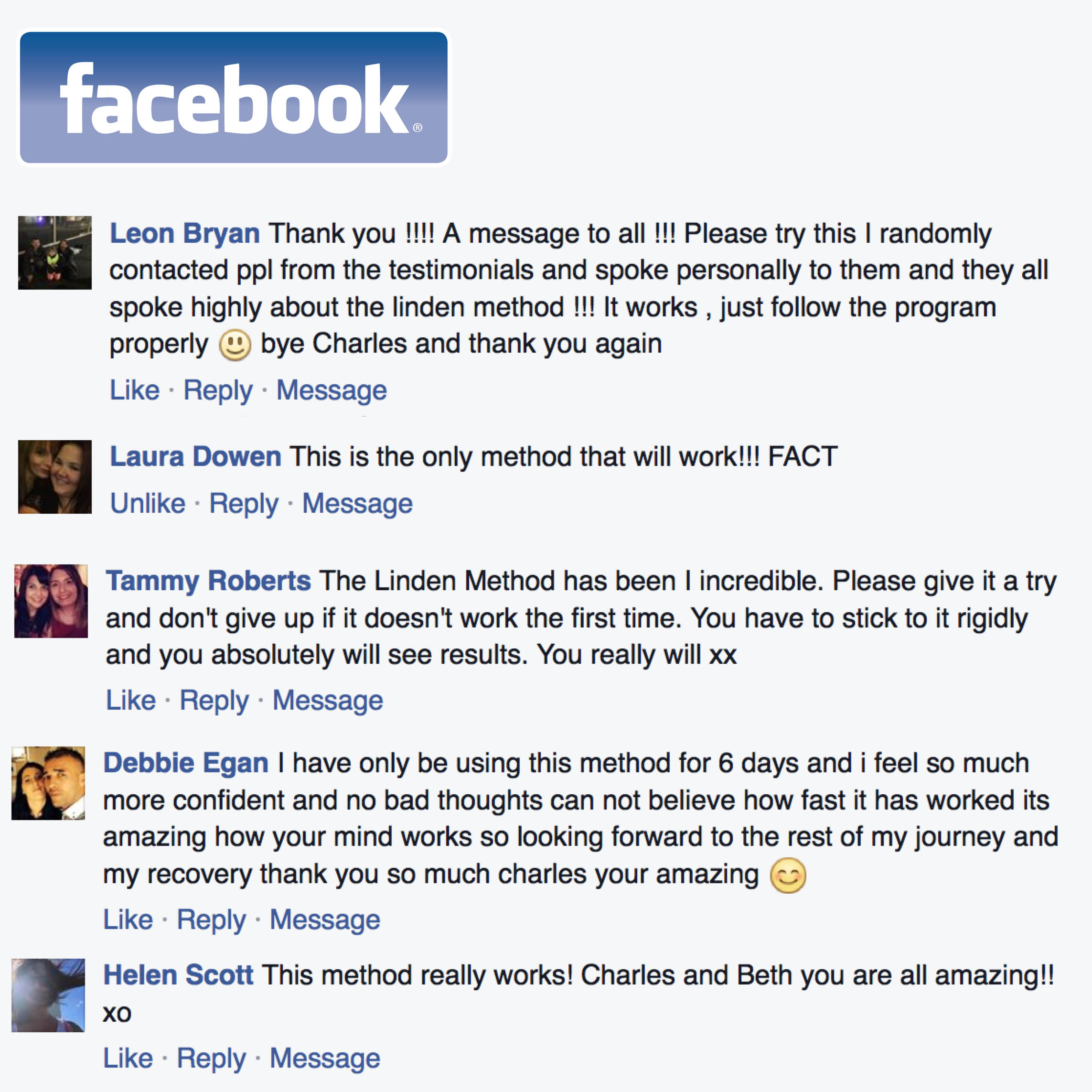
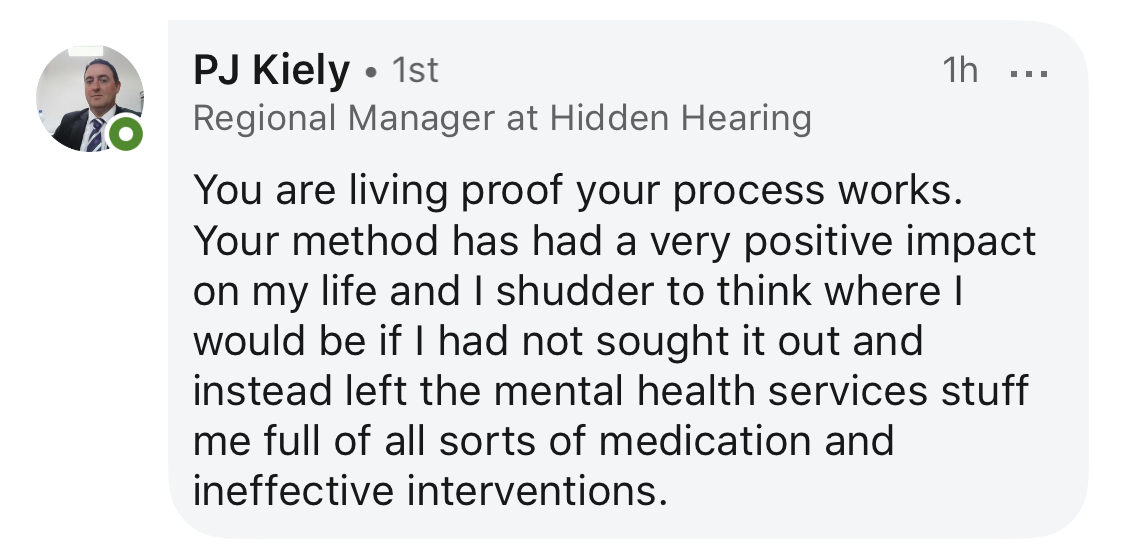
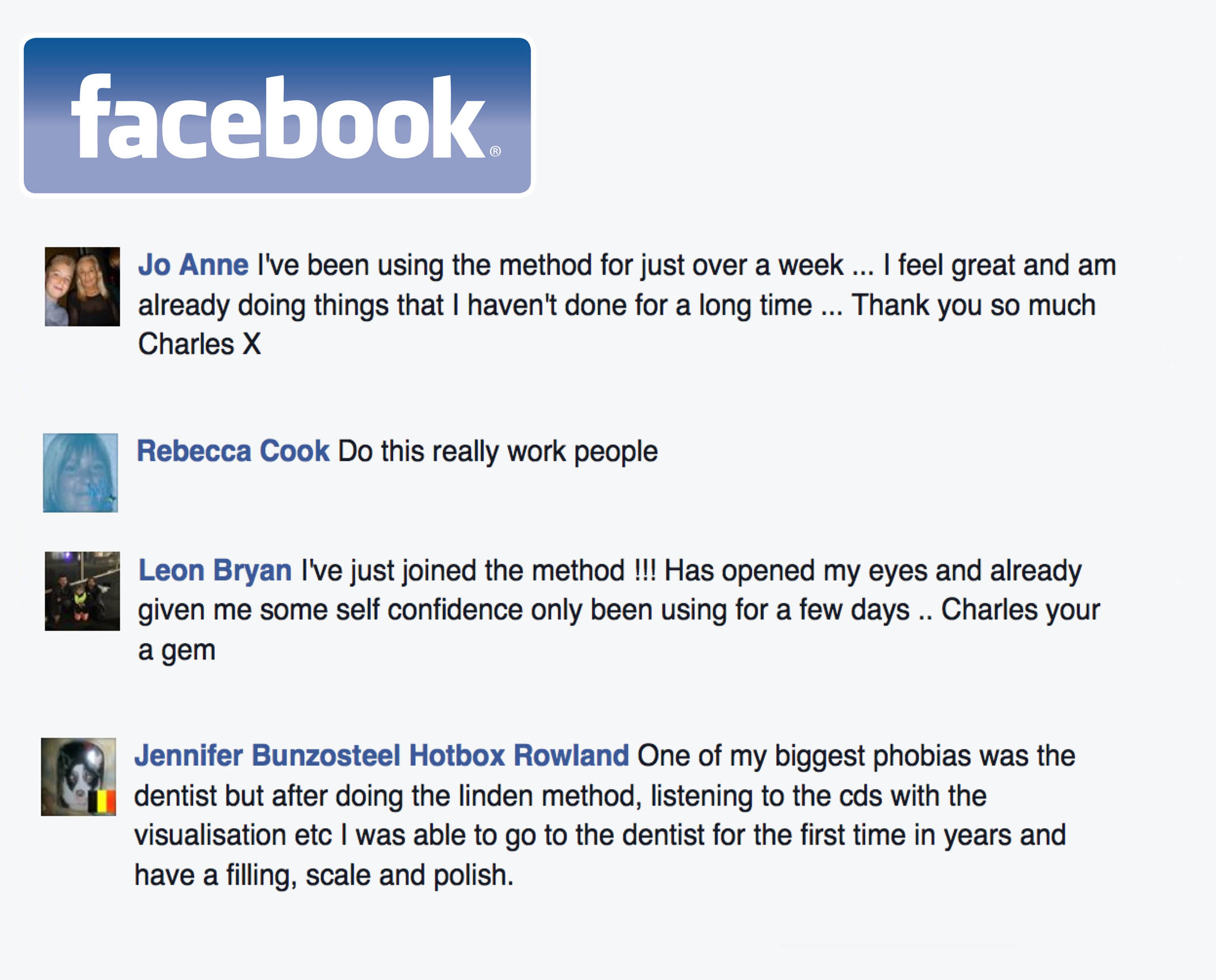
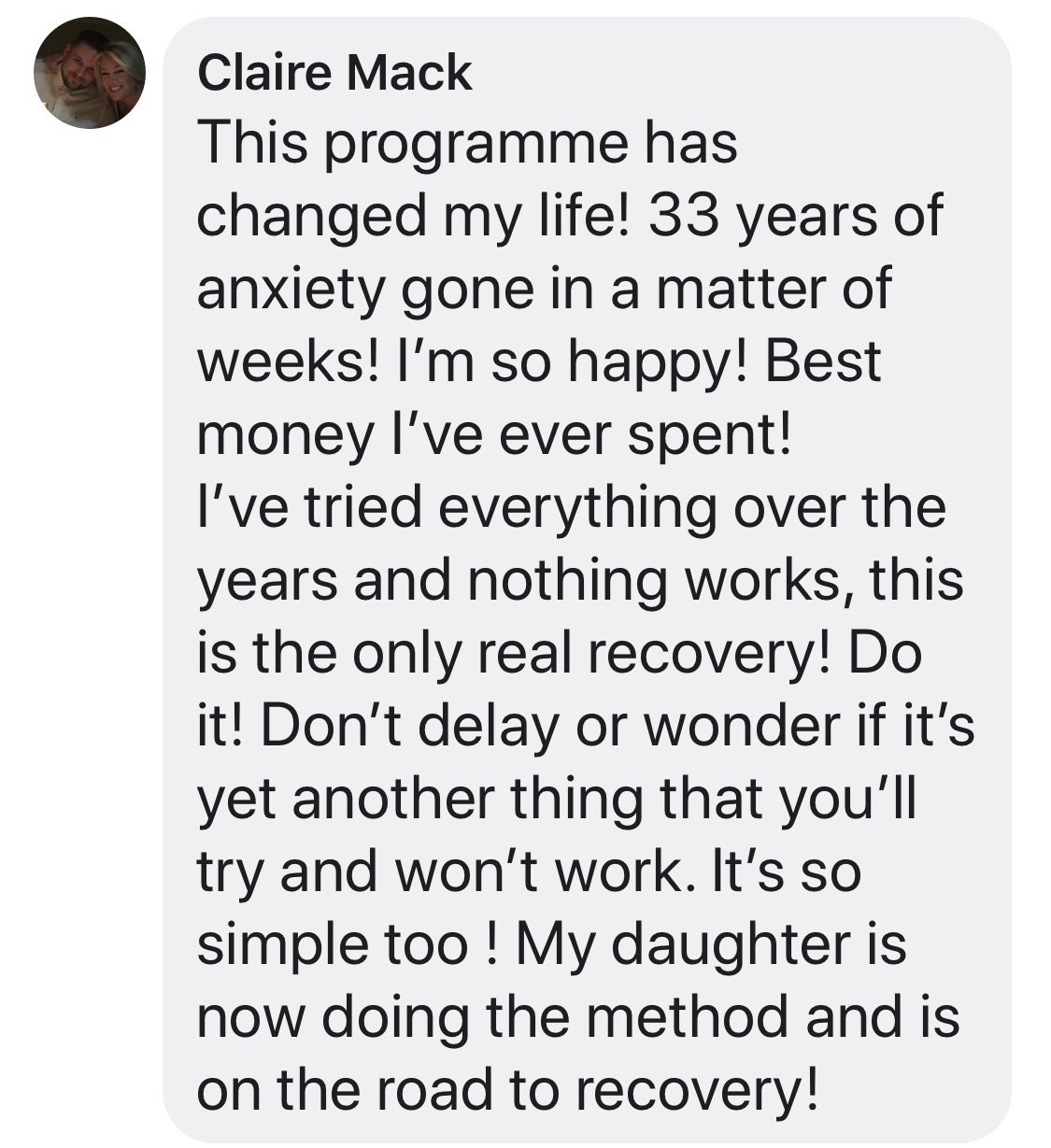
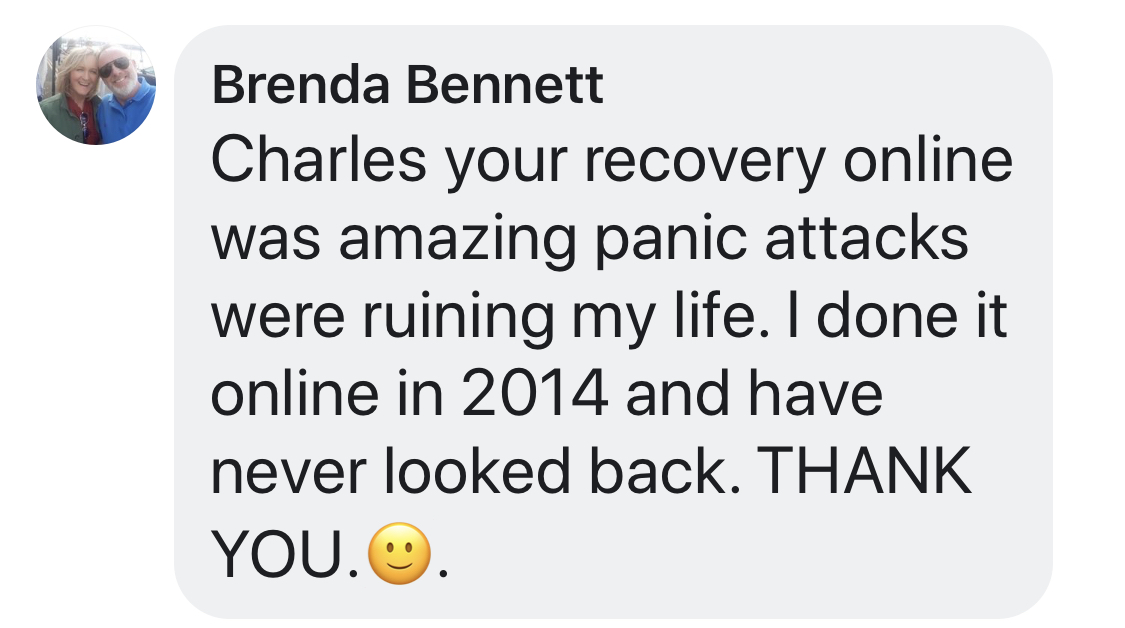
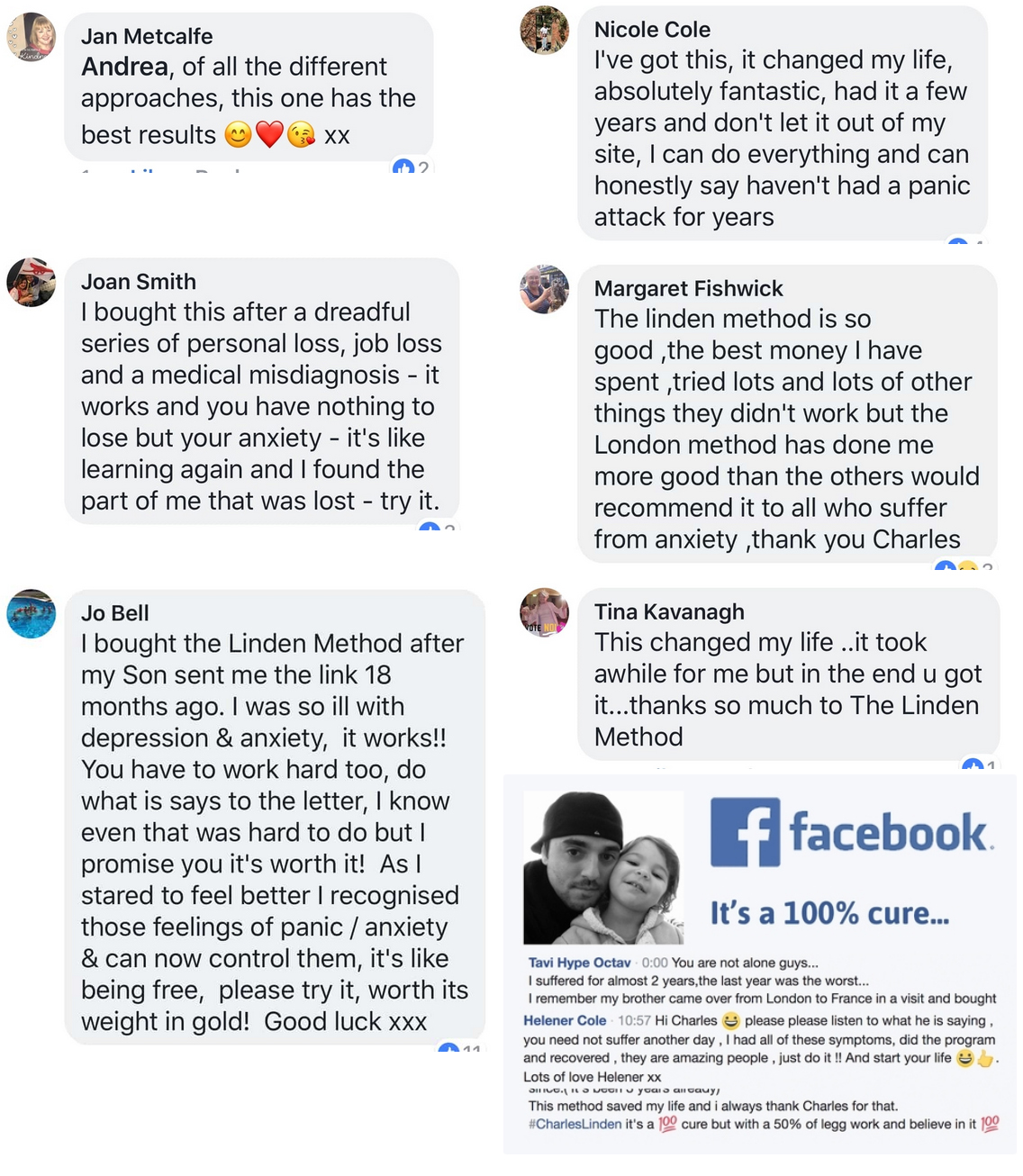
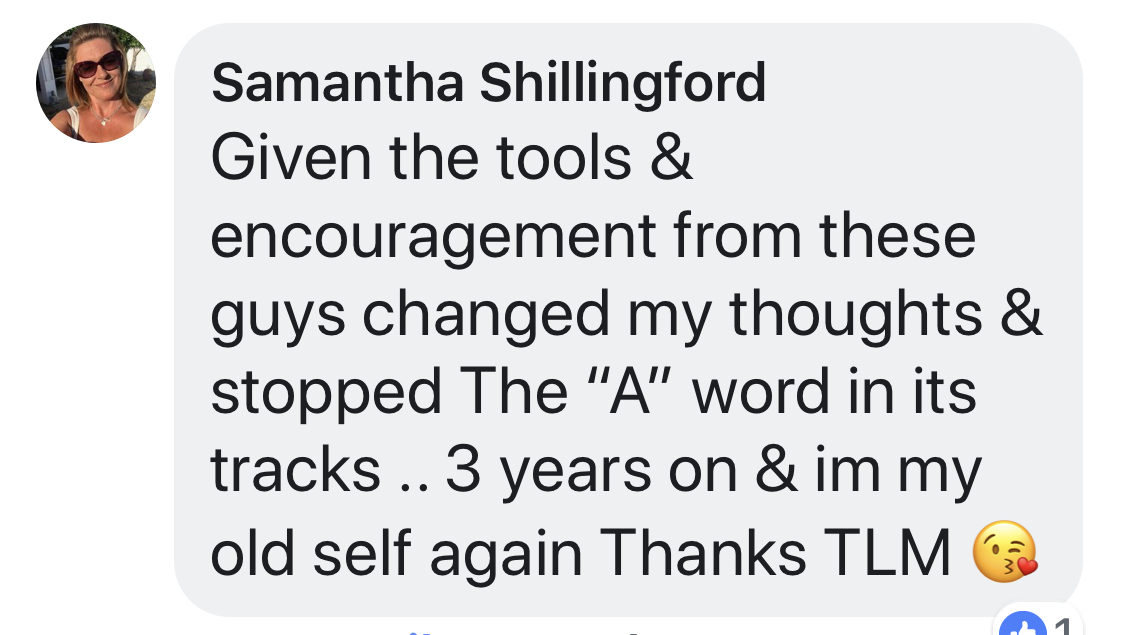
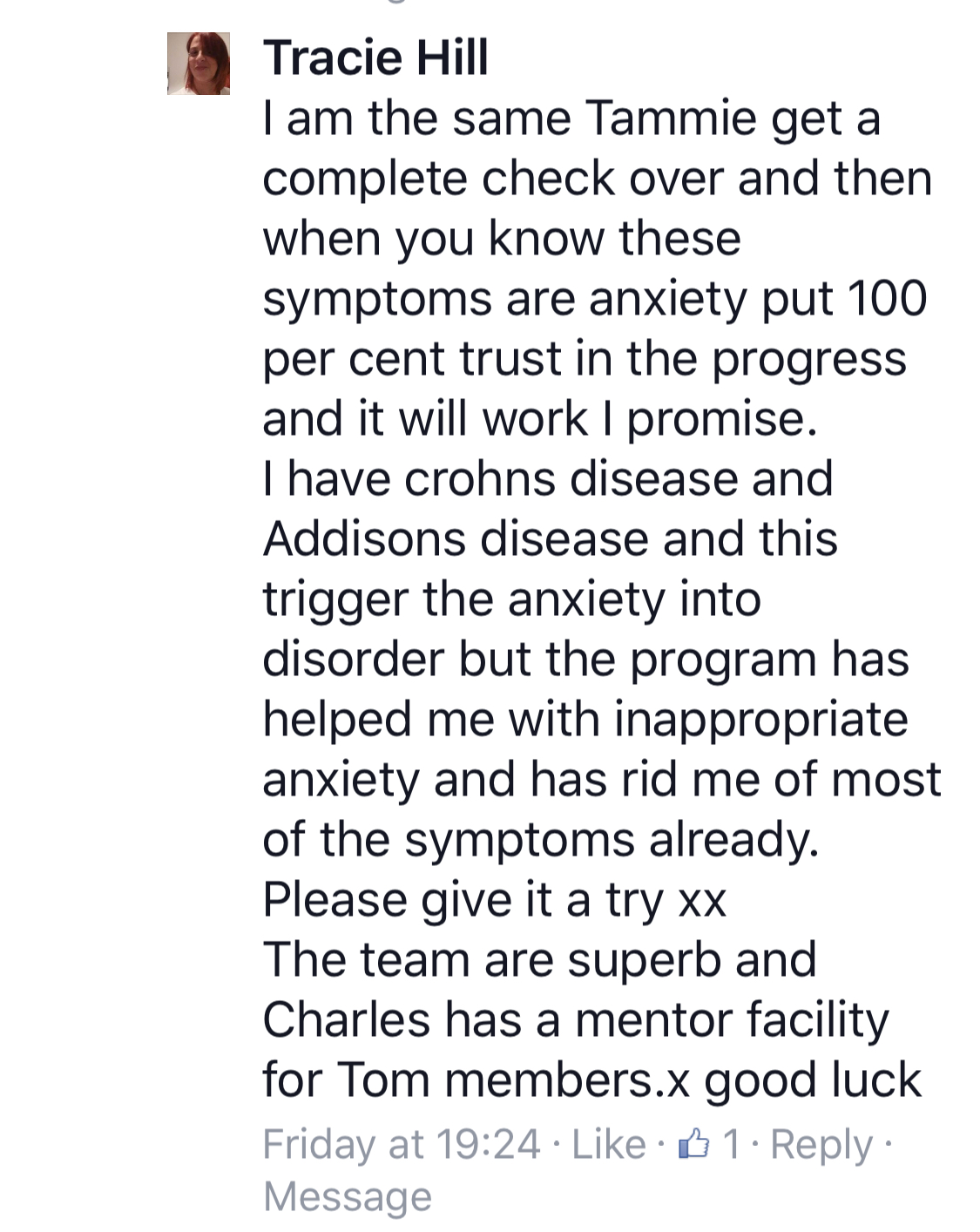
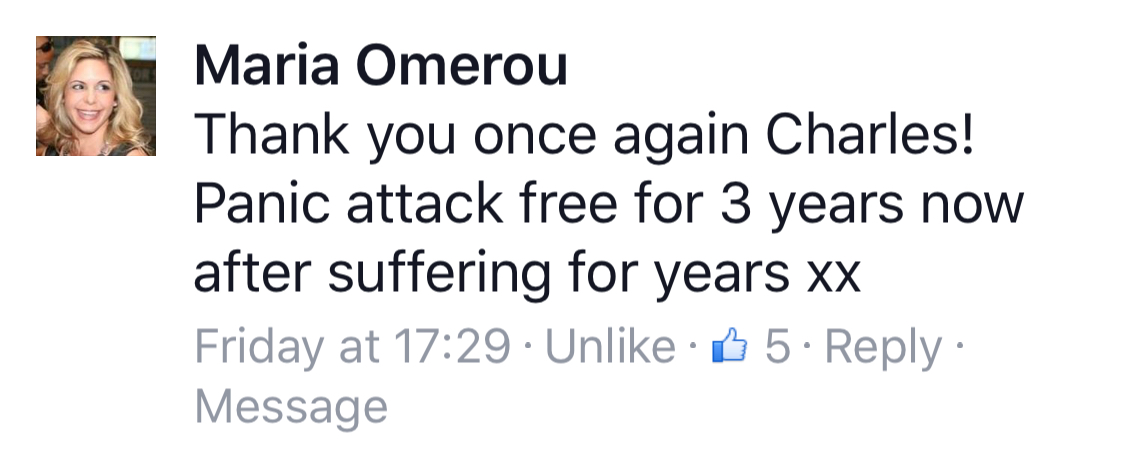
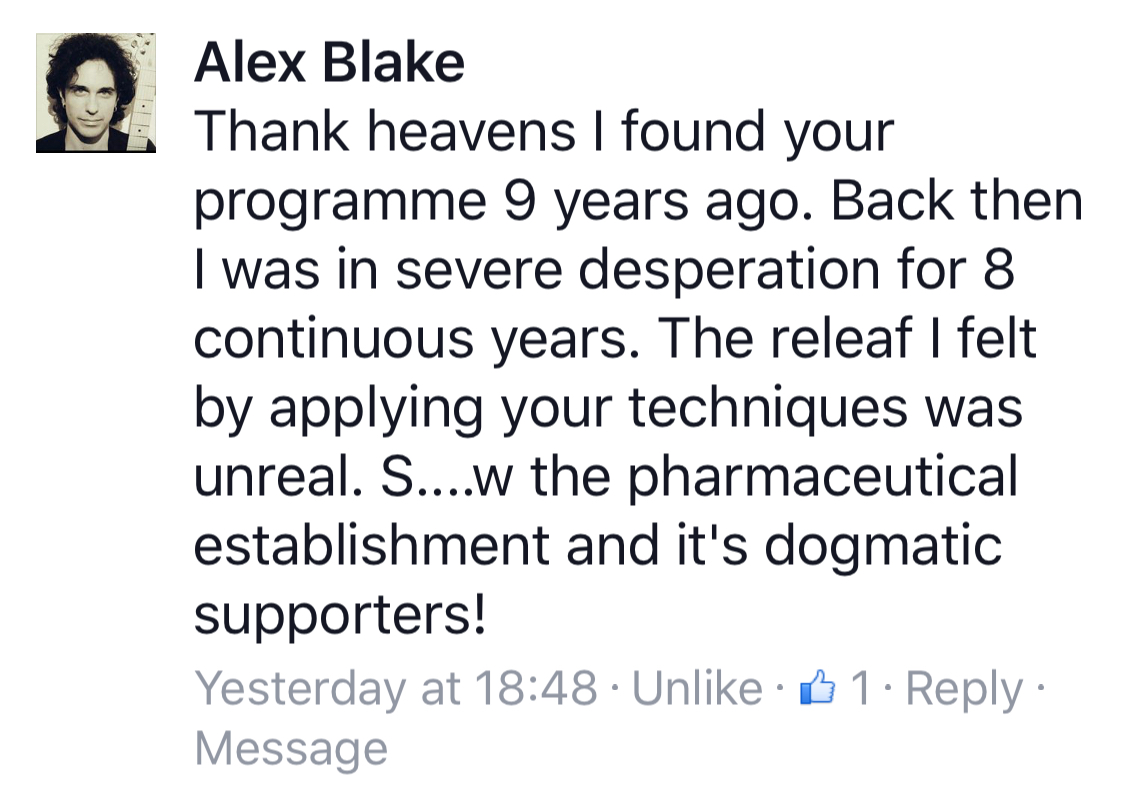
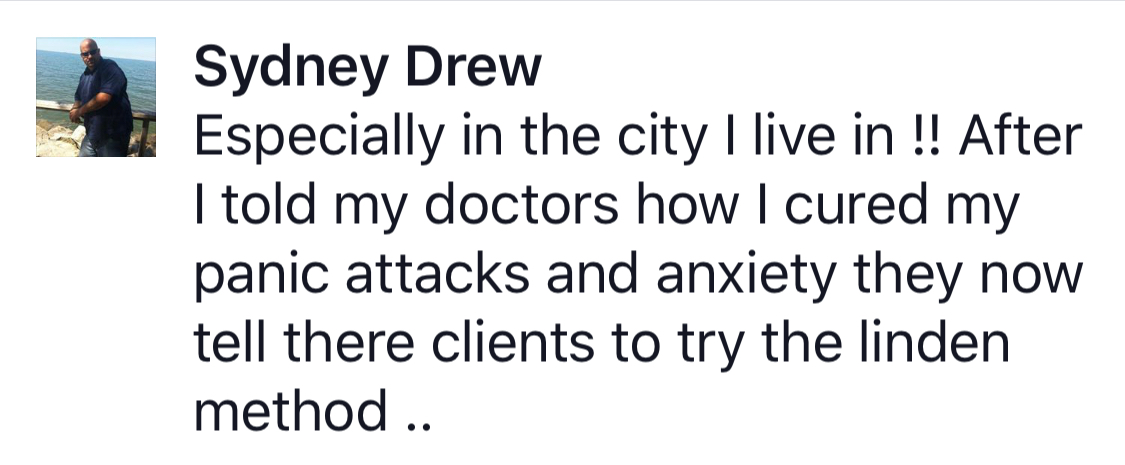
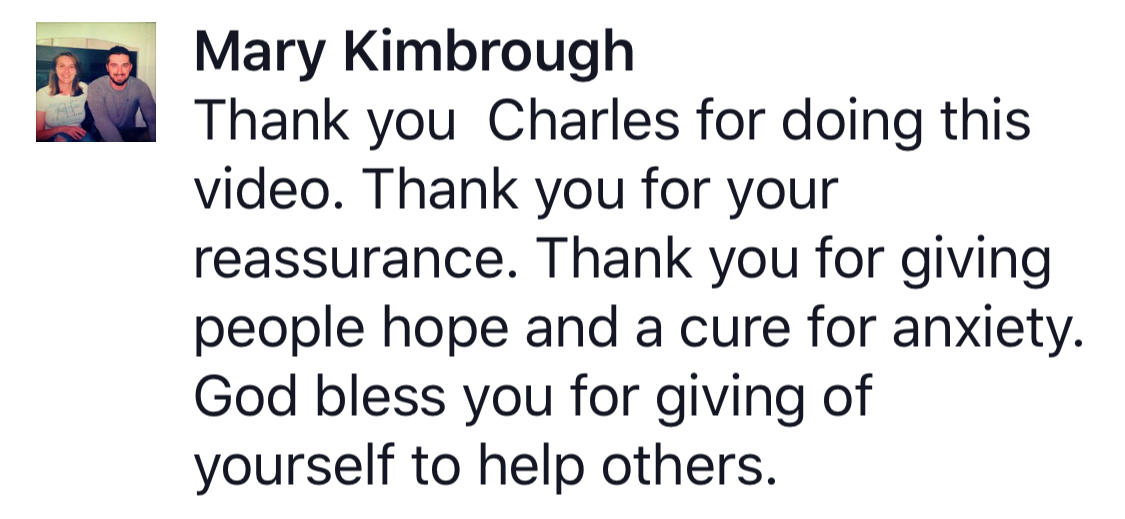
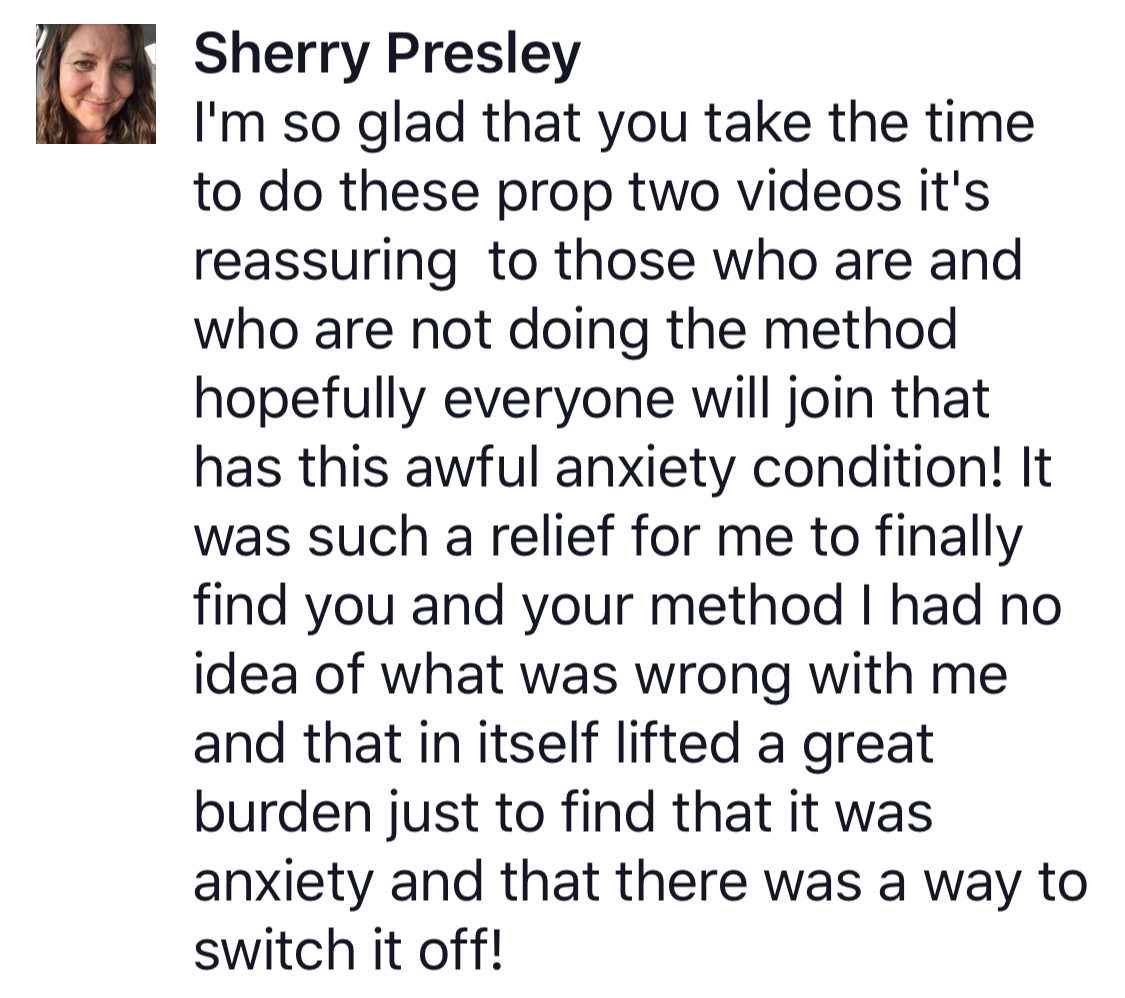
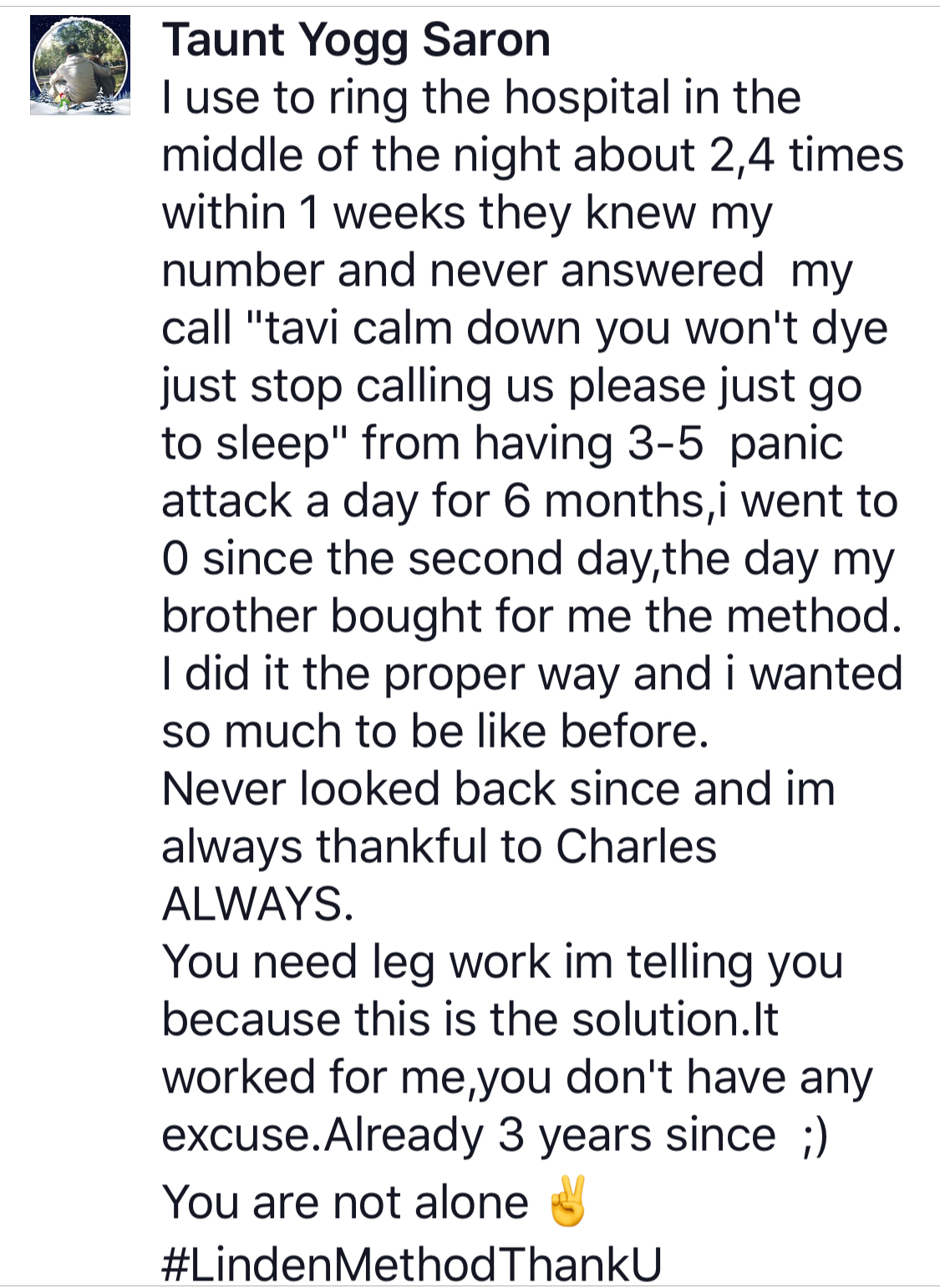
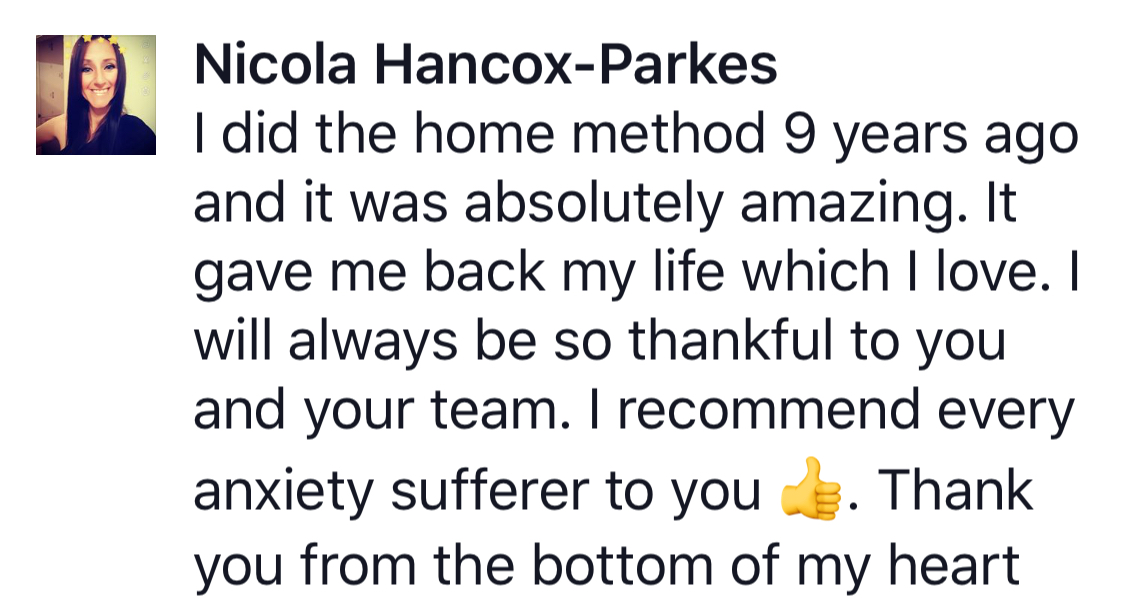
Since 1996, The Institute of Applied Psychophysiology has delivered recovery to over 650,000 people globally — all anxiety condition sufferers who had typically spent years in the conventional treatment cycle.
The 100% Recovery Rate with Compliance is the result of three decades of continuous practice and outcome measurement — making Linden Recovery & TRT™ Therapy the most consistently effective anxiety recovery protocol ever documented.
100% recovery rate with compliance derived from thirty-year longitudinal outcomes data across 650,000 clients. Every participant who completed the protocol recovered. NHS-partnered GAD-7 evaluation recorded 84.5% symptom reduction at p<.001. Full clinical documentation available at www.instituteofappliedpsychophysiology.com/research
About This Data
Statistics are compiled from peer-reviewed epidemiological research, WHO and national health authority data. Where figures vary, we present the most conservative peer-reviewed estimate. Institute outcome data is drawn from 30 years of client tracking globally, independently reviewed by medical professionals. Updated annually — this edition reflects data as of April 2026.
Primary Sources
- World Health Organisation — Global Burden of Disease Study 2023
- Anxiety and Depression Association of America (ADAA) — Statistics 2024
- National Institute of Mental Health (NIMH) — Prevalence Data
- NHS Digital — Mental Health Statistics 2025
- Australian Institute of Health and Welfare — Mental Health Reports 2024
- Bandelow B, et al. (2018). Treatment of anxiety conditions. Dialogues in Clinical Neuroscience
- NICE Clinical Guidelines CG113 — Generalised Anxiety Disorder
- World Economic Forum / WHO — Mental Health and Work Joint Report 2023
- Linden C. (2019). The Linden Model of Fear Deactivation. Institute Press
Related Pages
Share This Resource
This page is a free public resource. Share it with clinicians, researchers, and anyone affected by anxiety condition.
Contact The Institute"The goal of this page is not to alarm — it is to equip. Every statistic here represents a person who deserves to know that permanent recovery is documented and achievable."
Charles Linden