





Recovery Options
TRT™ — The New Standard for Mental Health Recovery.
First developed by our team 32 years ago, the original therapeutic approach behind today's Threat Recalibration Therapy™ (TRT™) was created around one purpose: recovery, rather than simply learning to live with anxiety.
What makes TRT™ distinctive is its cause-focused therapeutic model: threat recalibration. In Charles Linden's model, faulty risk analysis sustains the brain and body's alarm response. TRT™ is designed to address that underlying threat-response pattern—not only the distressing symptoms it produces. The aim is to change the pattern, rather than teach people only to tolerate its effects.
TRT™ is a therapy, not a self-help programme. It combines a structured therapeutic process, practical recovery work and qualified support, with the goal of a life no longer organised around anxiety. Coping can provide valuable support; recovery is the purpose of TRT™. Education is part of the therapy—not its identity.
Coping aims for
Feeling a bit better. Managing symptoms.
Recovery aims for
The fear response settled. The condition ended.
In an NHS Shropshire-commissioned evaluation of 61 participants, mean GAD-7 fell from 18.28 (severe) to 2.84 (minimal): an 84.5% reduction in the group's mean symptom score.
- The difference, in fullRecovery and coping, the science, the evidence and how TRT™ compares.
- The scienceThreat circuitry, the autonomic response and stress hormones.
- Research and outcomesWorking papers and the NHS Shropshire-commissioned evaluation.
- Access TRT™ TherapyOnline therapy, one-to-one support and organisational access.
01
30+ years
of research and programme development since 1996.
02
700,000+ cases
of programme experience reported by the Institute worldwide.
03
Hundreds of thousands
of complete recoveries reported by the Institute in practice.
Access TRT™ Therapy, explore the research and discover practitioner training.
Predisposition Assessment
Self-Assessment Resource
AnxApp provides a structured self-assessment about patterns associated with anxiety. It is not a diagnosis and does not replace assessment by a qualified health professional.
Psychoeducation via TRT™
Online Programme
Explore Threat Recalibration Therapy™ (TRT™), the Institute's structured psychoeducation programme with behavioural guidance focused on learned threat responses and avoidance.
Residential Programme
Immersive Learning
Information about residential learning programmes led by TRT™ practitioners.
Psychoeducation Workshops
Group Learning
Structured workshops about anxiety, learned threat responses and the Institute's psychoeducation programme.
Practitioner Training
Applied Psychophysiology Diploma
Learn about the Institute's professional diploma in applied psychophysiology and its practitioner training in Threat Recalibration Therapy™ (TRT™).
Workplace Psychoeducation
Workplace & HR
Explore structured psychoeducation about anxiety and threat responses for workplace settings.
Education Sector
Schools, Colleges & Universities
Explore KOTA, the Institute's psychoeducational resources for children and young people, and information for education settings.
Research & Professional Learning
Applied Psychophysiology
Explore the Institute's anxiety research, programme outcomes and professional education in applied psychophysiology.
One body of research. A complete portfolio of applications.
Explore the Institute's recovery, prevention, youth, workplace, education, publishing and practitioner-training products. Select any application to understand who it serves and how it helps.
Threat responses involve interacting brain, body and behavioural systems.
Neuroscience describes how these systems shape responses to threat, fear and anxiety.
Fear responses help people notice and respond to potential danger through interacting brain, body and behavioural processes.
Established fear-learning science shows how experience and context shape threat responses and patterns of avoidance.
Threat Recalibration Therapy™ (TRT™) is a recovery-focused therapy applying fear-response science through a structured therapeutic process and qualified support.
Find your path
I want to understand anxiety
Understand threat responses and explore TRT™ Therapy—the new standard for mental health recovery.
Begin RecoveryI represent an organisation
Explore research, programme outcomes and professional education in applied psychophysiology.
See the EvidenceI want to train as a practitioner
Learn about the Institute's diploma in applied psychophysiology and practitioner training in TRT™.
Explore the DiplomaNHS Shropshire-commissioned GAD-7 outcomes evaluation.
In a single-group pre/post evaluation of 61 participants, mean GAD-7 scores fell from 18.28 to 2.84 (84.5%). The evaluation record identifies NHS Shropshire as commissioner and lists Martin Jensen as the author, with affiliations to Kingston University and the University of Copenhagen. Review the methods and full results.
| Evidence source | Participants | Measure | Reported result | Analysis |
|---|---|---|---|---|
| NHS Shropshire-commissioned TRT™ outcomes evaluation | 61 | GAD-7 self-report | 18.28 to 2.84 mean score | Z = −6.802, p < .001 |
The Institute reports more than 30 years of programme development, experience across 700,000+ cases worldwide and hundreds of thousands of complete recoveries. This record sits alongside a separate, NHS Shropshire-commissioned evaluation of 61 participants, whose mean GAD-7 scores fell 84.5% from 18.28 to 2.84. Read the methods and full results.
The Institute's evaluation record lists Martin Jensen with Kingston University / University of Copenhagen.

Charles Linden — Founder
Charles Linden founded the Institute in 1996 and developed Threat Recalibration Therapy™ (TRT™), its structured psychoeducation programme focused on persistent learned threat responses and avoidance.
Read the Full BiographyThreat Recalibration Therapy™ is a therapy, not a self-help programme.
TRT™ applies fear-response science through a structured therapeutic process, practical recovery work and qualified practitioner support.
- Recovery-focused therapy, structured therapeutic practices and qualified support
- Focuses on learned threat responses and behavioural patterns
- Programme outcomes evaluated with participant-reported GAD-7 scores
ANXAPP —
Explore patterns associated with anxiety.
An online self-assessment about patterns associated with anxiety. It provides information for reflection; it does not diagnose a condition or replace an assessment by a qualified health professional.
700,000+
Institute-reported case experience
30+ years
Research and programme development
5
Predisposition bands
About ANXAPP
A self-assessment resource
Explore your responses to questions about anxiety-related patterns.
Not a diagnosis
ANXAPP provides self-assessment information and does not replace professional assessment or care.
For individuals and organisations
Learn about the assessment and how it can support reflection and discussion.
KOTA —
Resources for young people.
KOTA offers free psychoeducational resources for children and young people. Its materials focus on understanding anxiety and learned fear responses.
Free
No registration required
KOTA
Psychoeducational resources
For children and young people.
Free psychoeducational resources about anxiety and fear responses.
Understand anxiety.
Learn about threat responses, avoidance and behavioural patterns through age-focused information.
For families and educators.
Explore KOTA's resources and information for supporting young people.

















Programme Stories
Real recovery story — name and photograph provided by client. Full testimonial available on request.
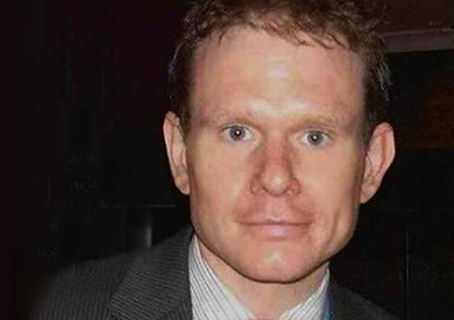
Ben
Real recovery story — name and photograph provided by client. Full testimonial available on request.

Rachel
Real recovery story — name and photograph provided by client. Full testimonial available on request.

Samuel
Real recovery story — name and photograph provided by client. Full testimonial available on request.

Priya
Real recovery story — name and photograph provided by client. Full testimonial available on request.

Beth
Real recovery story — name and photograph provided by client. Full testimonial available on request.
Name & photo on file
700,000+
Institute-reported cases worldwide
30+ Years
Research and programme history
Since 1996
Programme development
From the Institute
Applied Psychophysiology — The Third Category of Healthcare
This position statement describes applied psychophysiology alongside physical and psychological approaches, and sets out the Institute's perspective on anxiety-focused research, psychoeducation and programme outcomes.
Read the Position StatementThe Institute's Research Finds Its Way Into Fiction
Charles Linden's forthcoming novel THE STUDY draws on three decades of Institute research into the biology of threat response — reimagined as a work of speculative thriller fiction. A companion working paper separates the real science from the invented.
Read the ArticleCharles Linden
Founder · Institute of Applied Psychophysiology
Free newsletter — 36 emails
Understand anxiety.
Explore the evidence.
One email per week. A 36-email series covering fear responses, applied psychophysiology, the Institute's research and programme outcomes.
Written by Charles Linden and the Institute team. Free. No login required.
See all 36 topics in the seriesBring evidence-based psychoeducation to your organisation.
Explore the Institute's research, reported programme experience and measured GAD-7 evaluation, then discuss how the programme could fit your setting.
Explore Threat Recalibration Therapy™TRT™ Therapy · The New Standard for Mental Health Recovery · Applied Psychophysiology