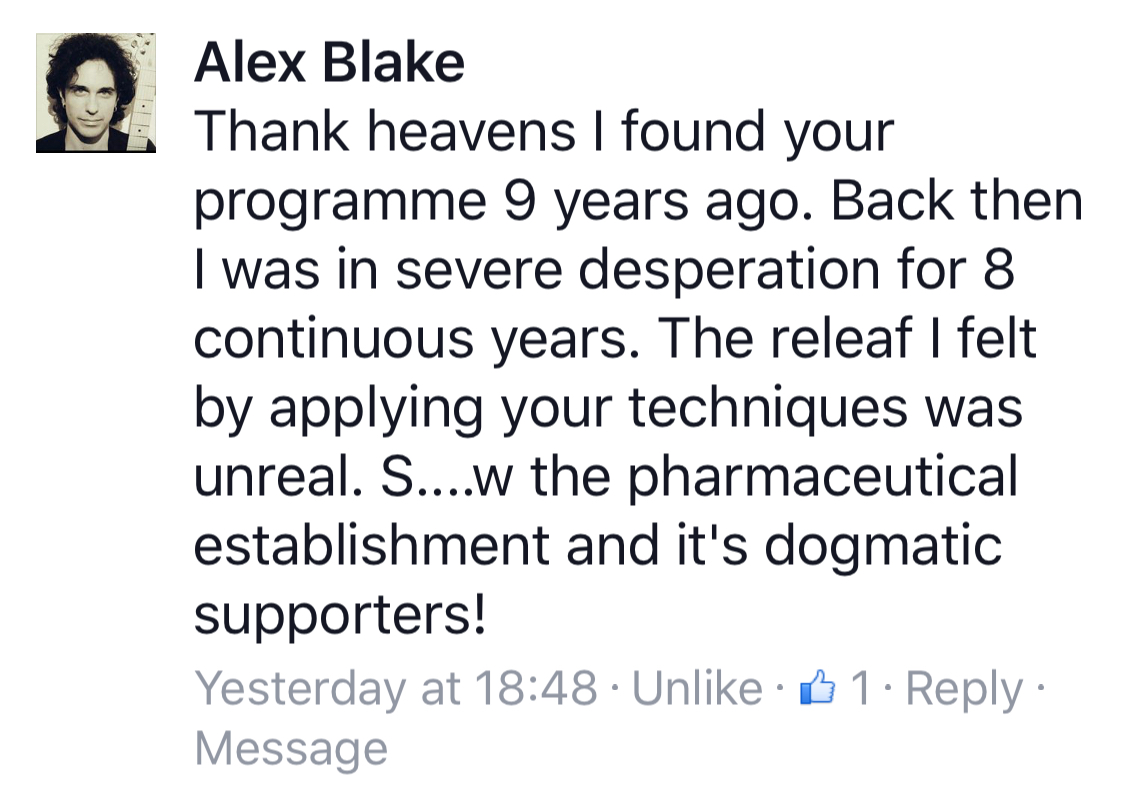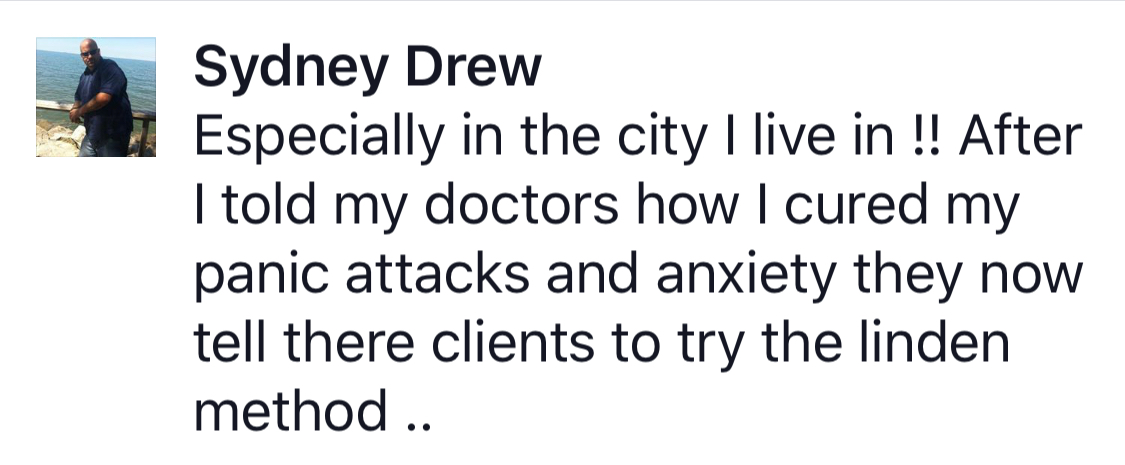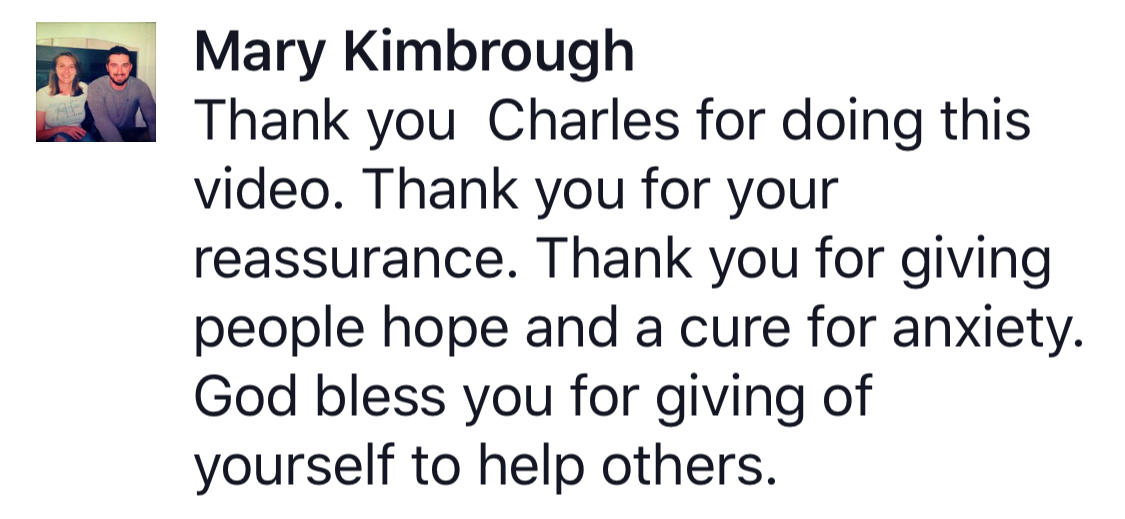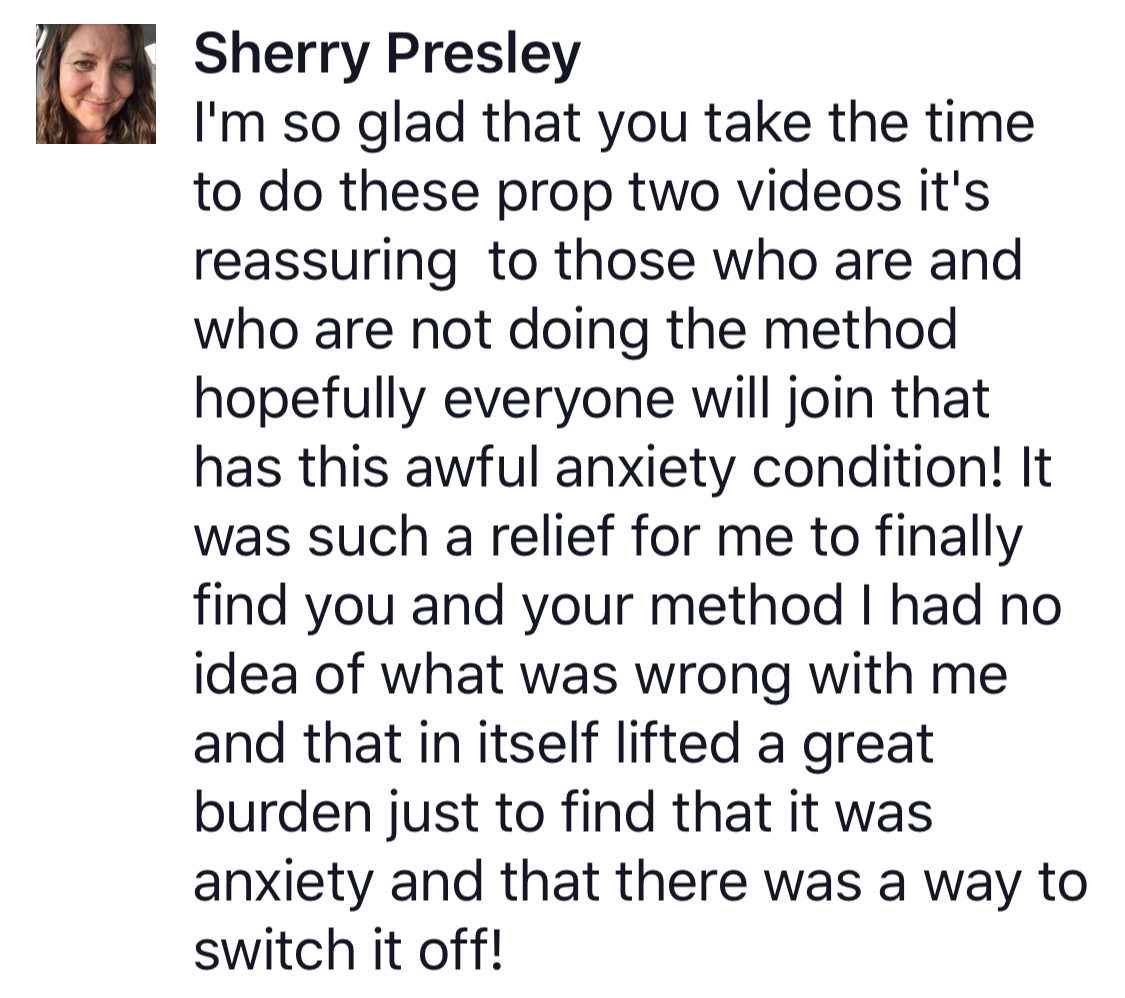

Why Mainstream Medicine
Hasn't Adopted This
A clear, evidence-based account of why Threat Recalibration Therapy™ faces institutional resistance — and why that resistance reflects the structure of institutions, not the validity of the method.
Recovery Options
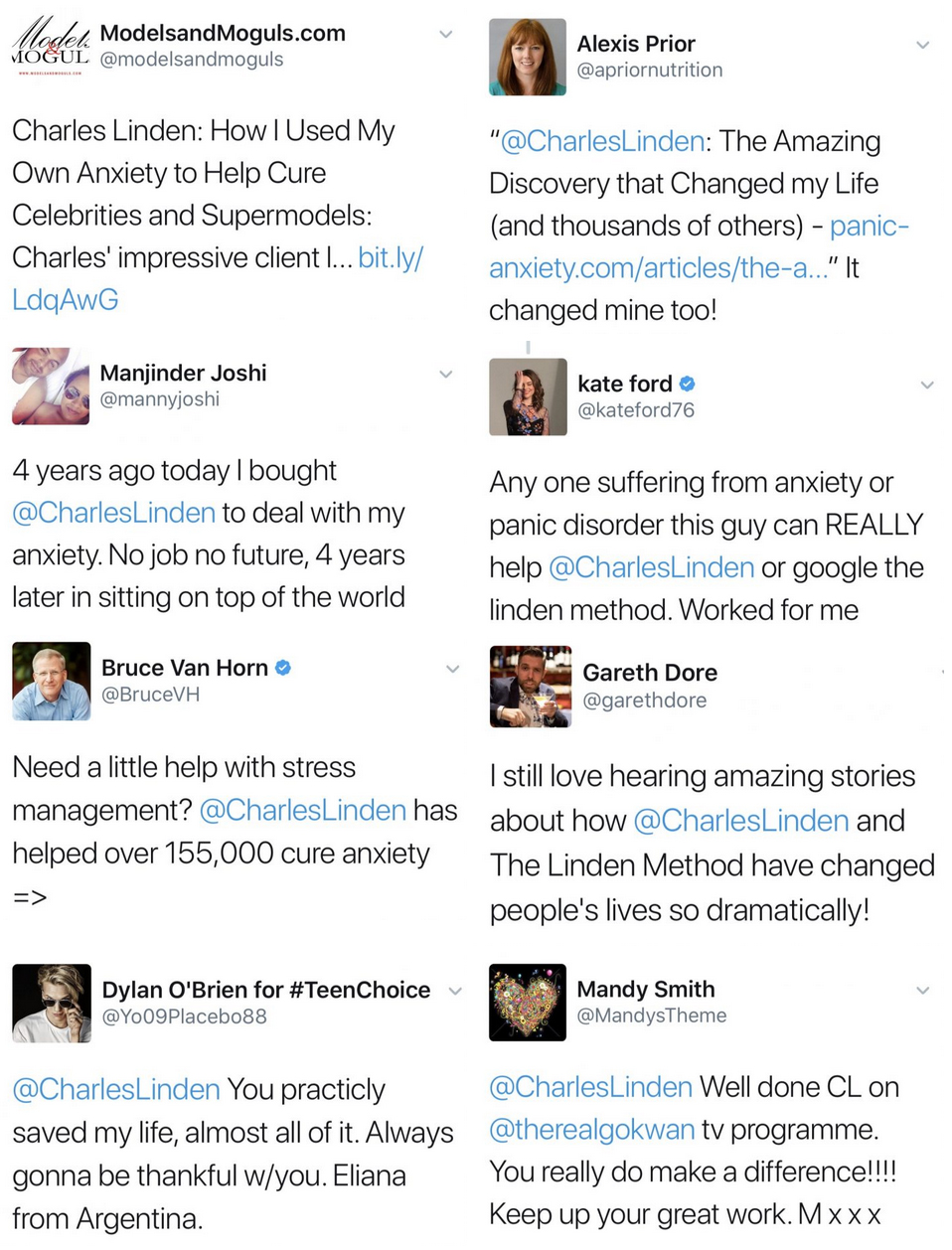
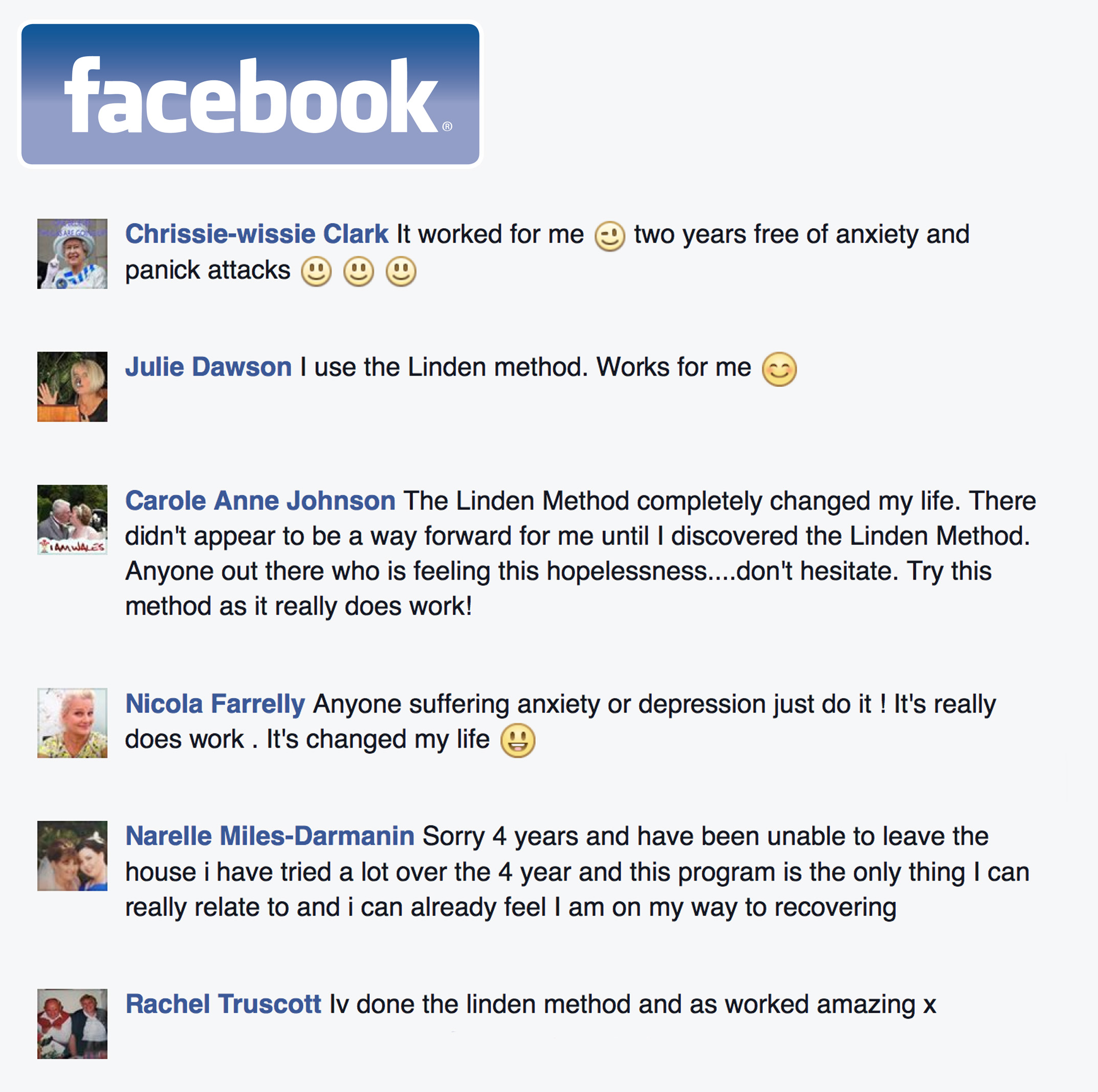
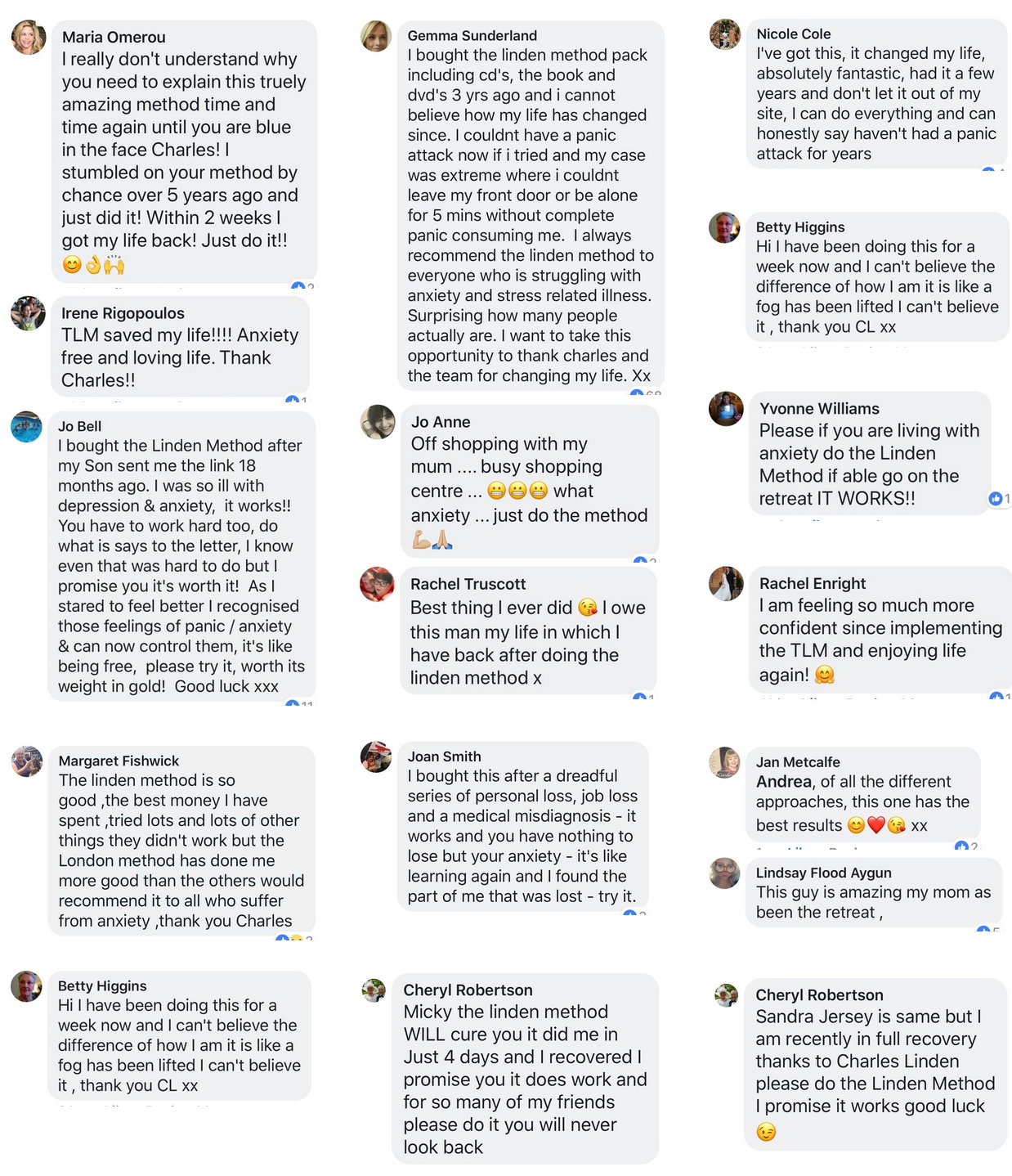
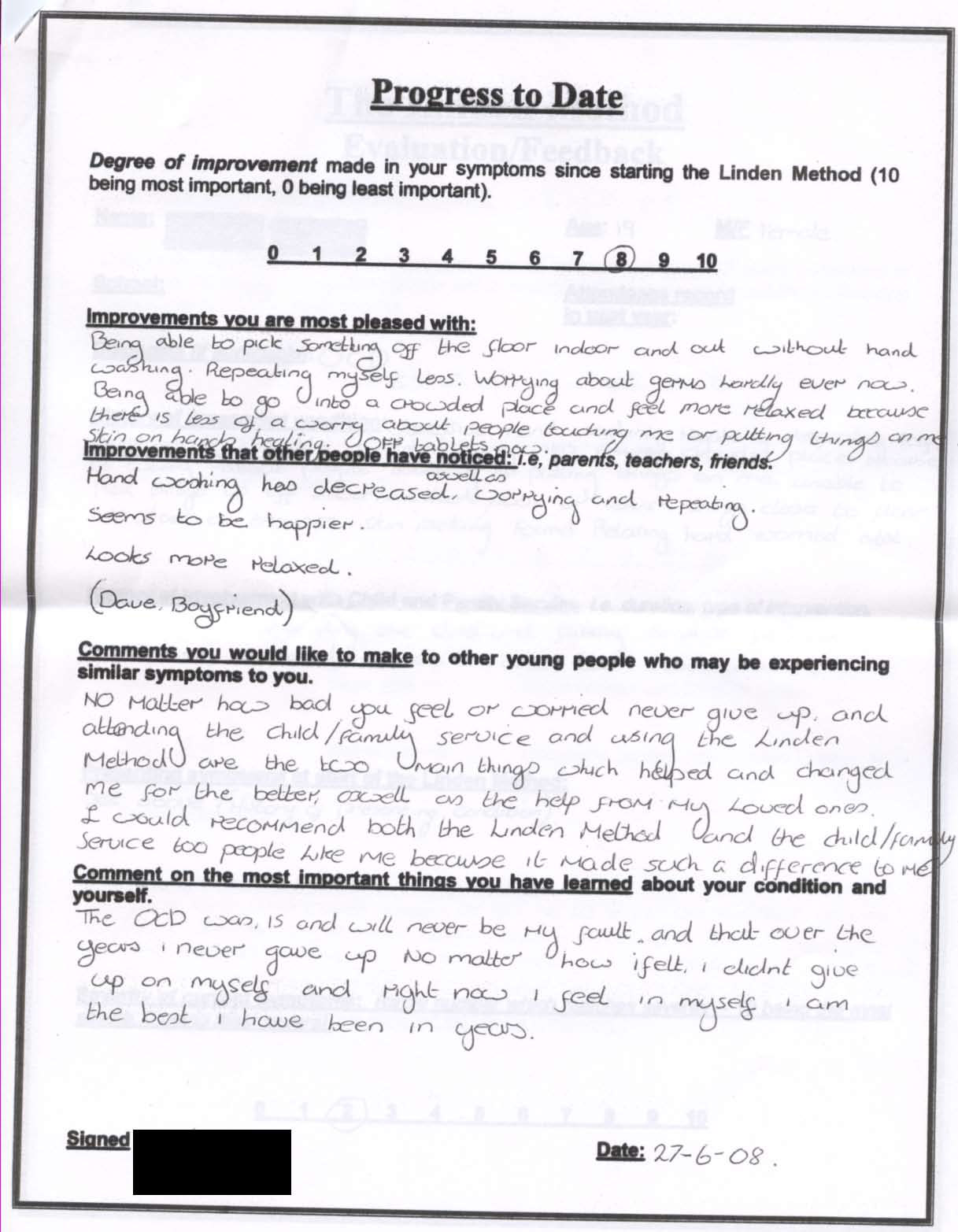
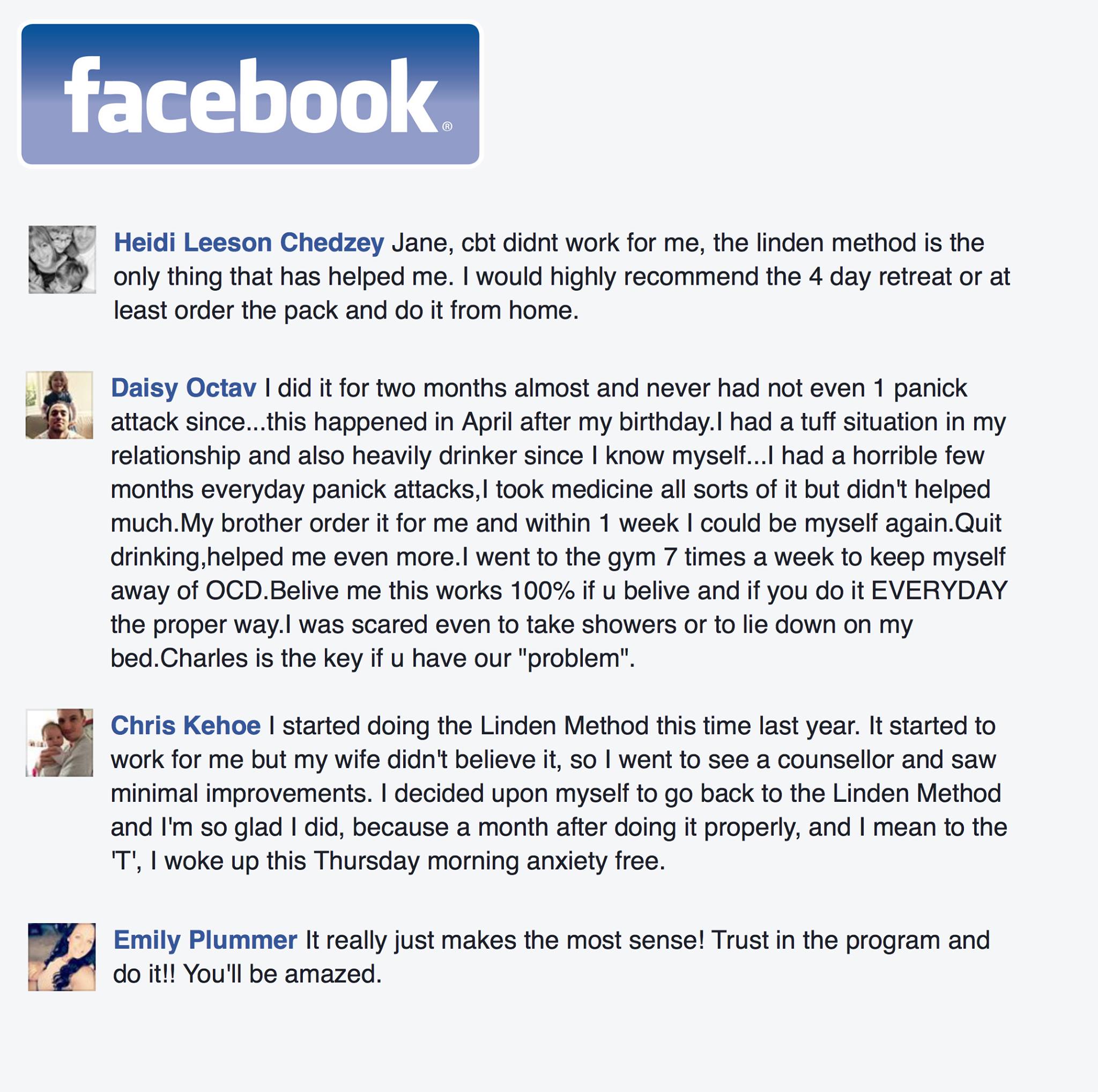
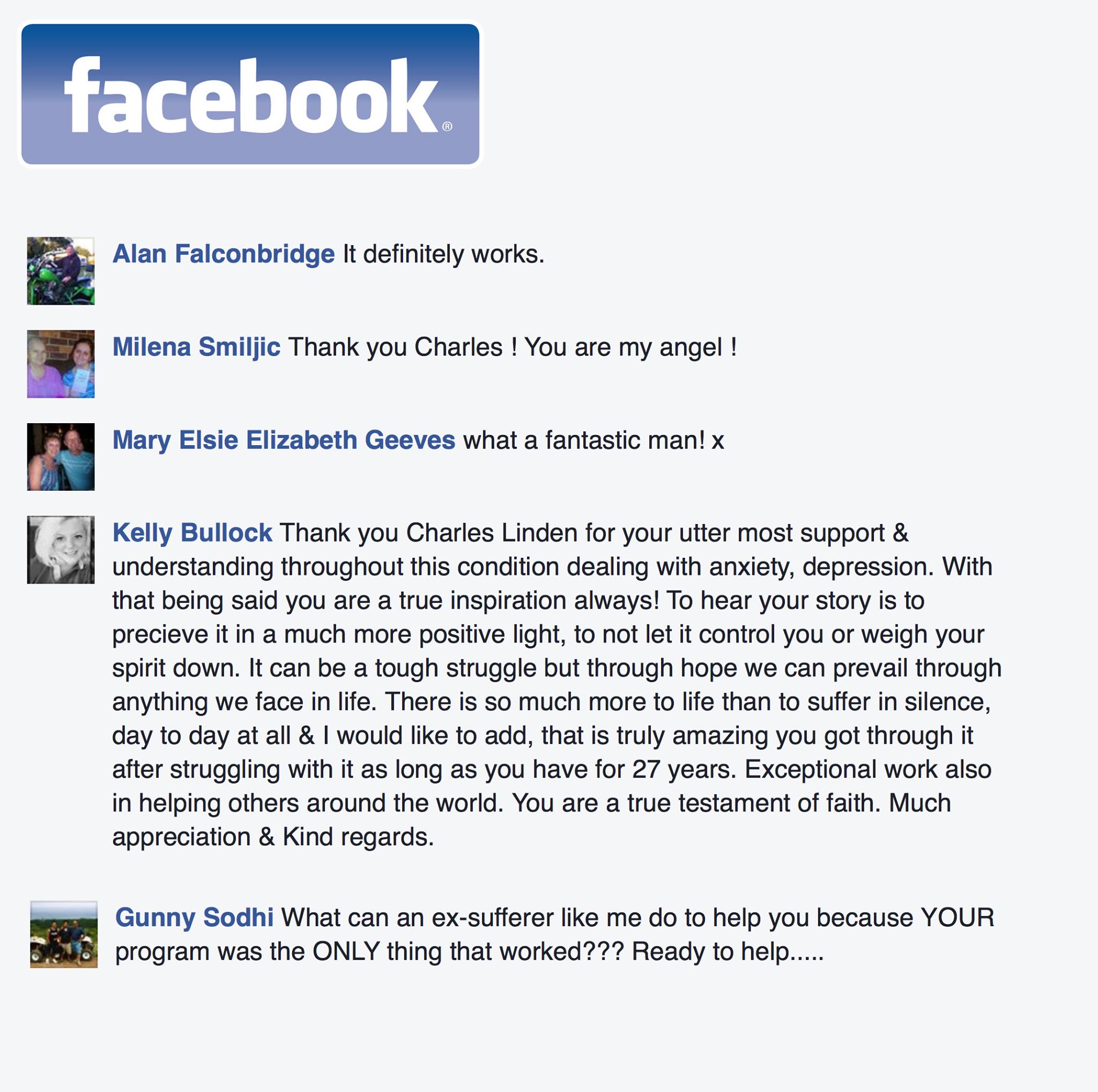
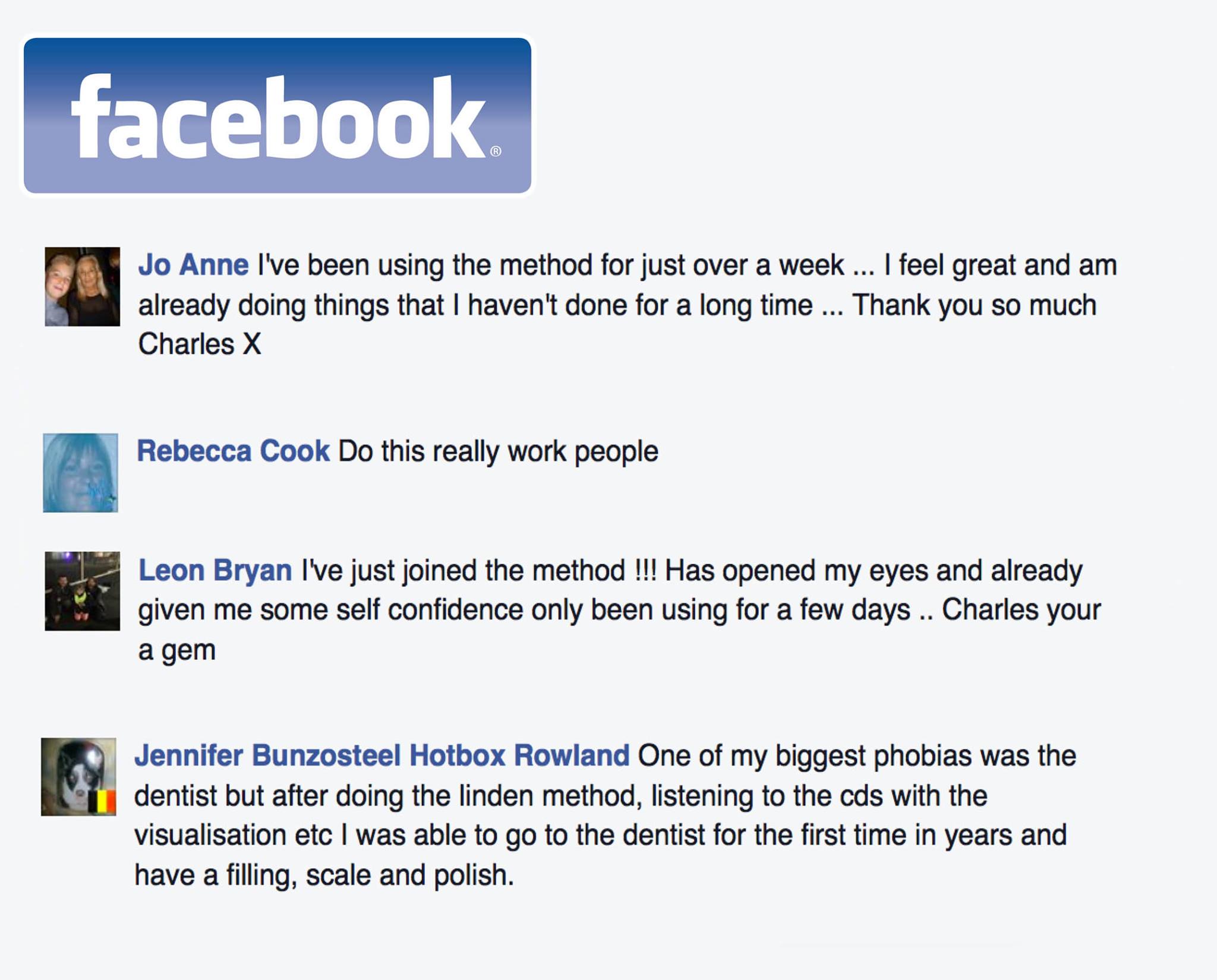
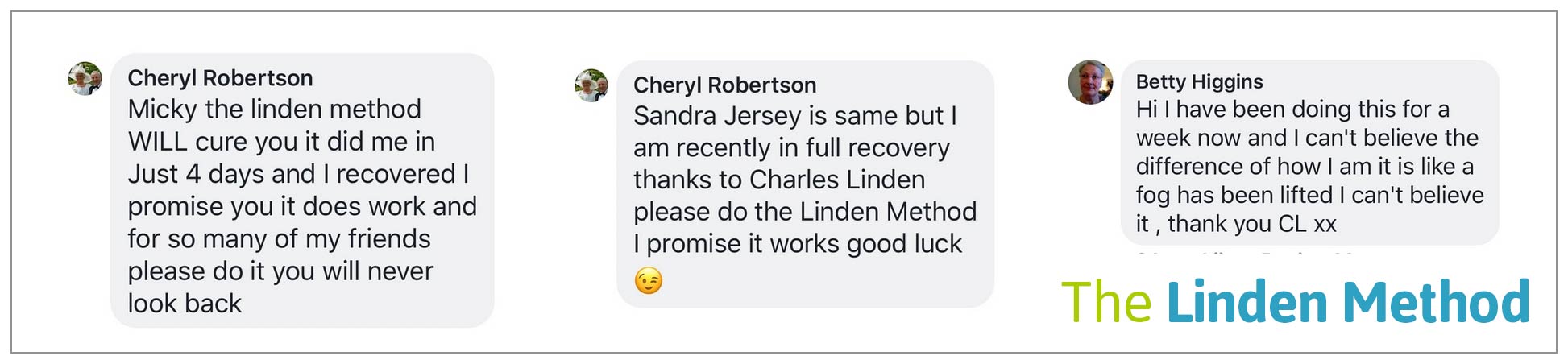
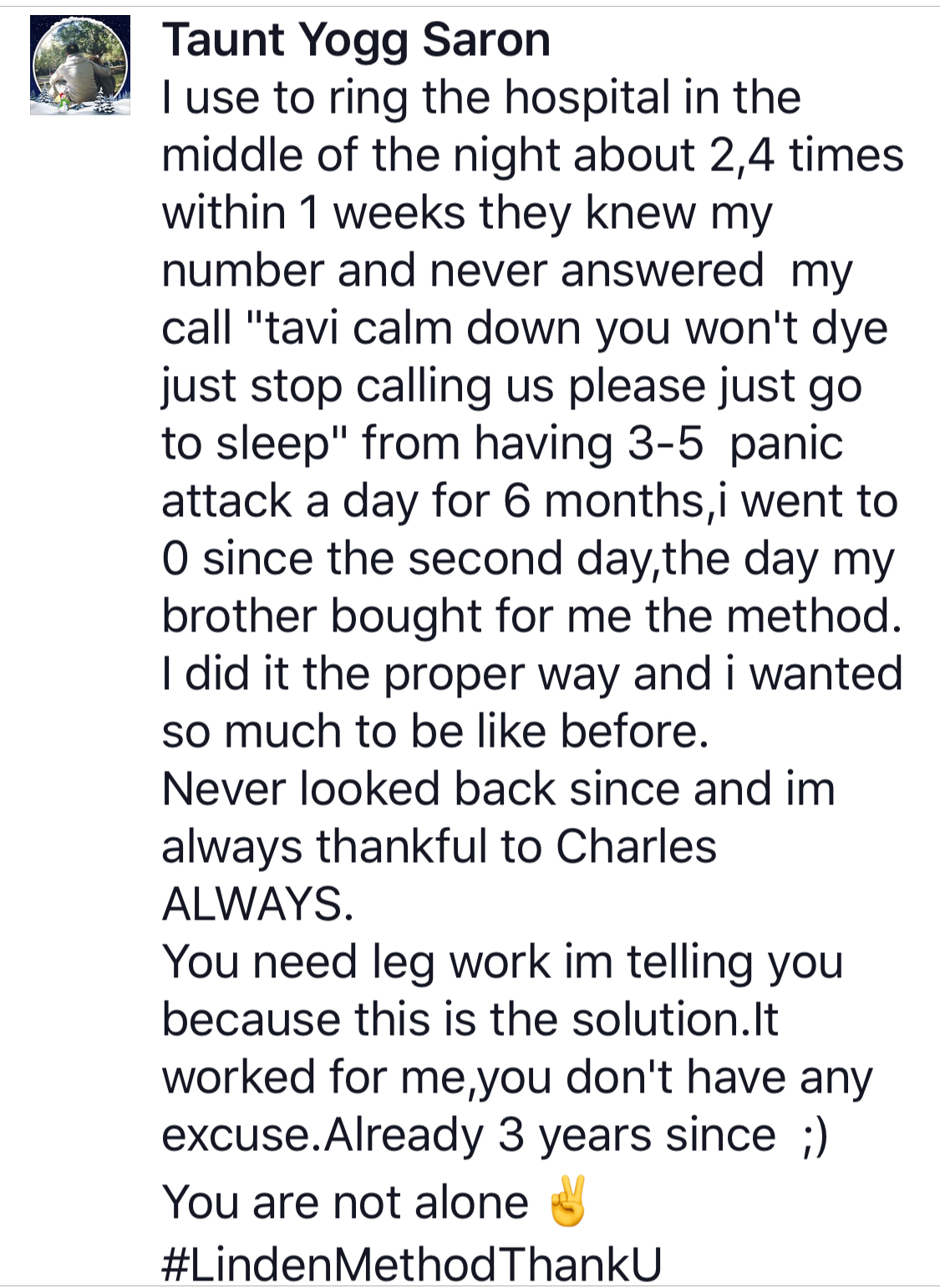
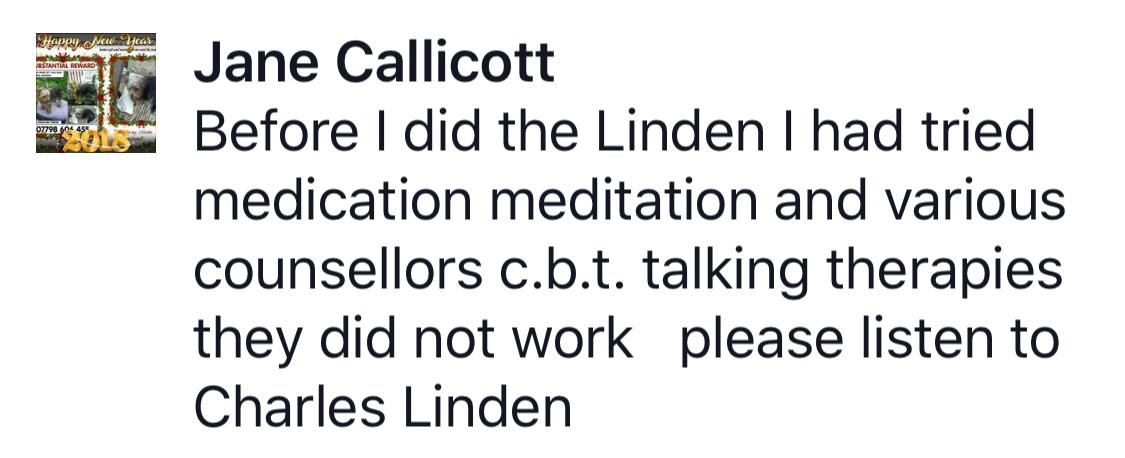
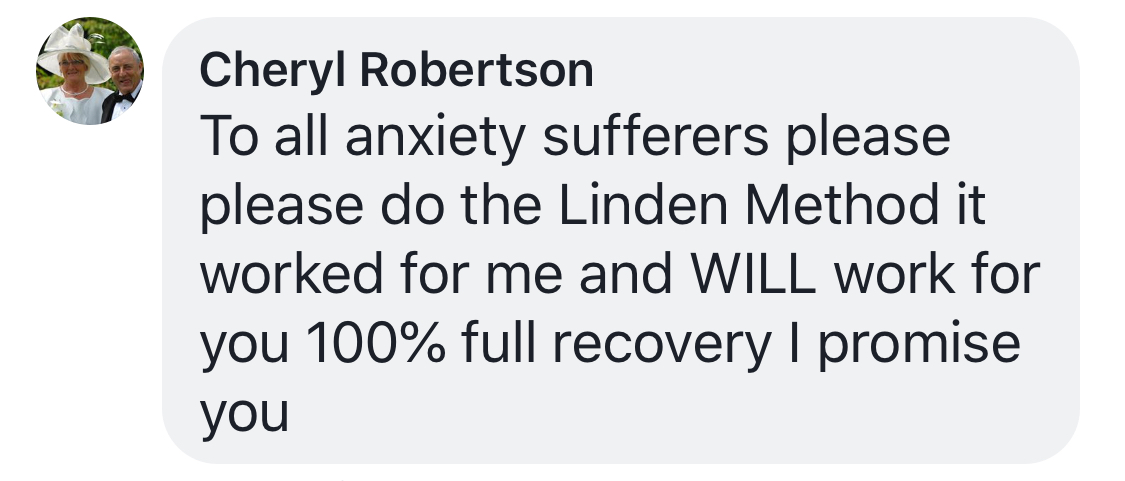
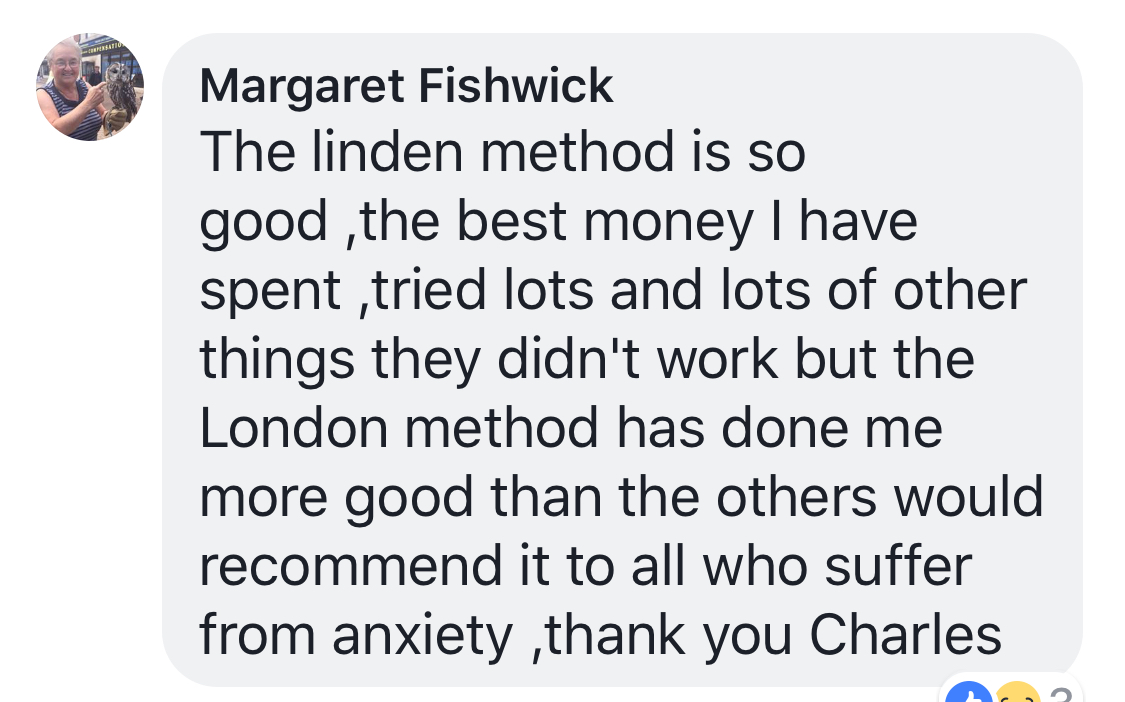
If TRT™ has produced permanent anxiety recovery for 650,000 people globally — a body of outcomes that dwarfs any clinical trial in the anxiety field — why haven't mainstream institutions adopted it?
The honest answer is that the mental health ecosystem is structurally incapable of accepting what TRT™ represents — for reasons well-documented in the sociology of science, the economics of healthcare, and the history of medical innovation.
It Threatens Professional Identity
The mental health professions are built on a shared assumption: anxiety is chronic and requires ongoing professional intervention. TRT™ overturns that assumption. Established professions do not adopt innovations that undermine their foundations — regardless of evidence. This is not cynicism. It is a documented pattern of institutional behaviour.
Academic Review Cannot Validate What It Cannot Understand
TRT™ sits at the intersection of evolutionary neuroscience, predictive-processing theory, extinction learning, and applied behaviour science. Most academic review panels are constituted from professionals trained in one of these disciplines — making them structurally incapable of evaluating TRT™ as a whole system. This is the same limitation that delayed acceptance of Mendel, Semmelweis, and Marshall.
The Industry Is Structured Around Chronicity, Not Cure
A therapy that works quickly, requires no ongoing sessions, and requires no medication is economically disruptive for an industry built on recurring revenue from chronic conditions. This is not a conspiracy — it is an institutional incentive structure. TRT™ is a one-time recovery resource. That is its greatest strength for the sufferer and its greatest barrier to institutional adoption.
The Public Trusts Institutions, Not Innovators
The gap between what is known in neuroscience and what is practised in the clinic routinely spans 20 to 30 years. Charles Linden identified the fear-deactivation mechanism in 1996. Predictive-processing neuroscience — which explains why TRT™ works — was formalised in the 2010s. That gap is not unusual. It is the normal pace of paradigm assimilation.
Culturally Accepted Treatments Are Not Scientifically Validated Ones
CBT, EMDR, mindfulness, EFT, and long-form psychotherapy are widely trusted. None has a verified evidence base for resolving the neurological cause of anxiety or producing permanent recovery. Their evidence is attendance records and self-reported symptom change. Their cultural acceptance rests not on recovery efficacy but on the fact that they fit existing frameworks and do not threaten professional identities.
Paradigm Shifts Are Never Accepted From Individuals
Semmelweis, Marshall, Wegener, Mendel — each worked outside mainstream consensus, was rejected by the establishment of their time, and was eventually vindicated. Paradigm shifts are accepted when institutions adopt them. These processes take decades. Charles Linden is unusual in having built an organisation that has delivered the breakthrough to 650,000 people before institutional assimilation has begun.
Certainty Triggers Scepticism — Even When Warranted
When a recovery protocol produces consistent, permanent results, it is natural to speak with confidence. But the public is conditioned to distrust certainty. Our position is not that we speak from certainty without evidence — it is that we allow the evidence to speak. 650,000 documented recoveries globally over 30 years would be transformative in any other field of medicine.
TRT™ Sits Outside the Existing Diagnostic Map
The DSM and ICD diagnostic systems classify anxiety conditions as psychological conditions — conditions of the mind, to be addressed by psychological or pharmacological means. This classification shapes everything: what insurance covers, what NICE guidelines recommend, what GPs can prescribe, what therapists are trained to deliver, and what research is funded.
Threat Recalibration Therapy™ is not a psychological therapy. It is a neurobiological intervention — a structured protocol for recalibrating the brain's threat-prediction system through the withdrawal of specific environmental inputs that perpetuate the fear response. It sits outside the psychological model — not because it is less scientific, but because it is more precisely biological than the psychological model allows.
When something doesn't fit the diagnostic map, institutions don't redraw the map. They reject the thing. Until the map catches up.
The current revision of predictive-processing theory — now the most active area of anxiety neuroscience — is beginning to redraw that map. When it does, TRT™ will be there, with 30 years of clinical outcomes and a published neurobiological theory, waiting.
Charles Linden Is Not the First Pioneer to Be Rejected
The history of medicine and science is a record of individuals whose work was rejected, ridiculed, or ignored — and subsequently vindicated. TRT™ is in that tradition.
Hand-washing prevents infection
Ridiculed and dismissed by the entire medical establishment. Died in an asylum. Vindicated by Lister and Pasteur decades later.
Peptic ulcers are caused by bacteria (H. pylori)
Laughed out of conferences. Forced to infect himself to prove it. Won the Nobel Prize 21 years later.
Genetics and hereditary inheritance
Ignored for 40 years. His paper gathered dust. Rediscovered posthumously and became the foundation of modern biology.
Continental drift (plate tectonics)
Dismissed as fantasy by the entire geology establishment. Completely vindicated 50 years after his death.
Neuroplasticity — the brain can change
Contradicted the established view that the adult brain is fixed. Denied for decades. Now the foundation of modern neuroscience.
Anxiety disorders are neurological, not psychological. Fear permanently deactivates through the systematic withdrawal of threat-prediction inputs — not through cognitive therapy or medication.
Delivering permanent recovery to 650,000+ people globally over 30 years. Published neurobiological theory aligned with contemporary predictive-processing science. Institutional adoption: pending — as it was for every pioneer above.
You Don't Have to Wait for the System to Catch Up
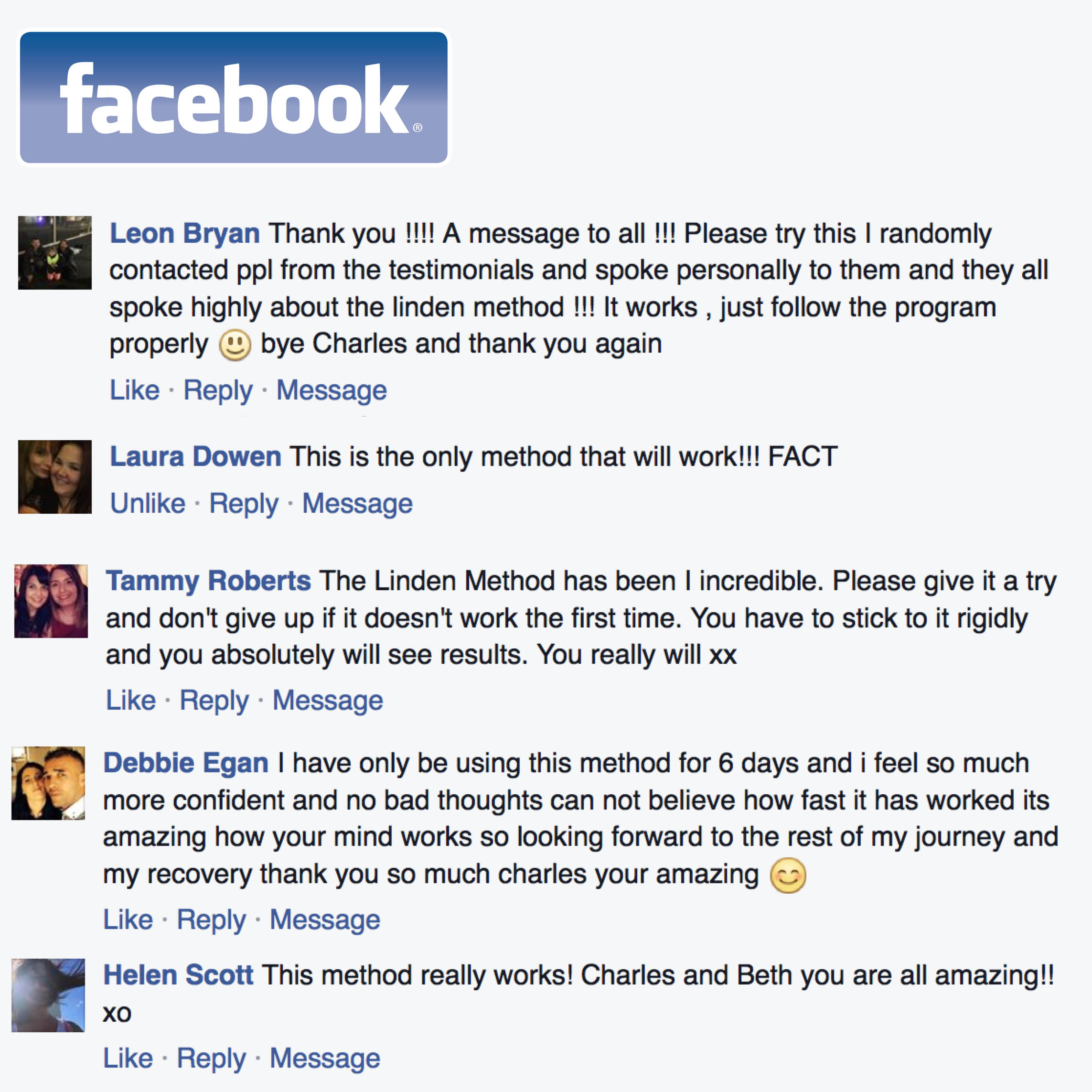
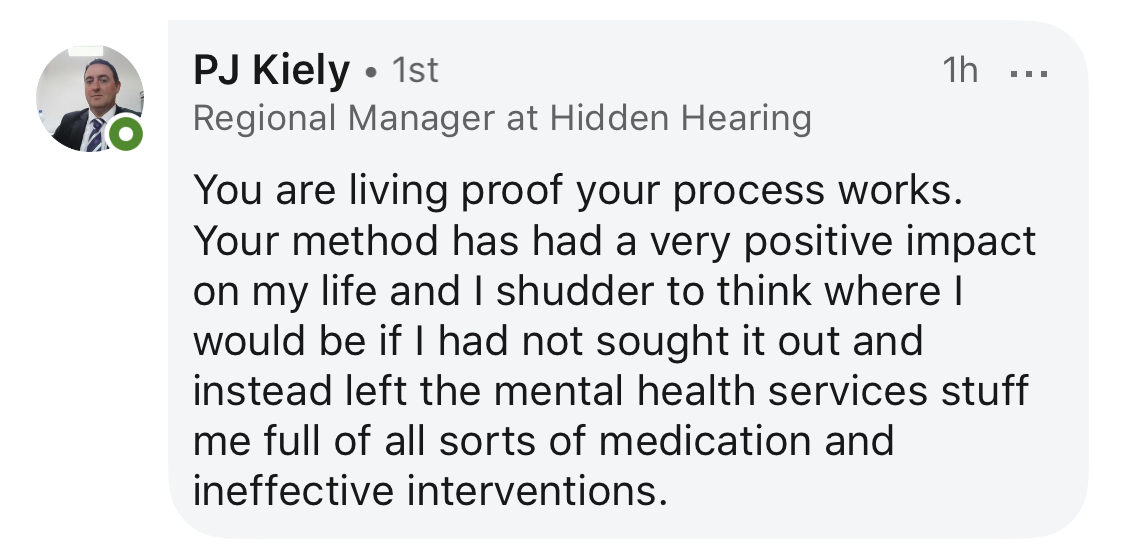
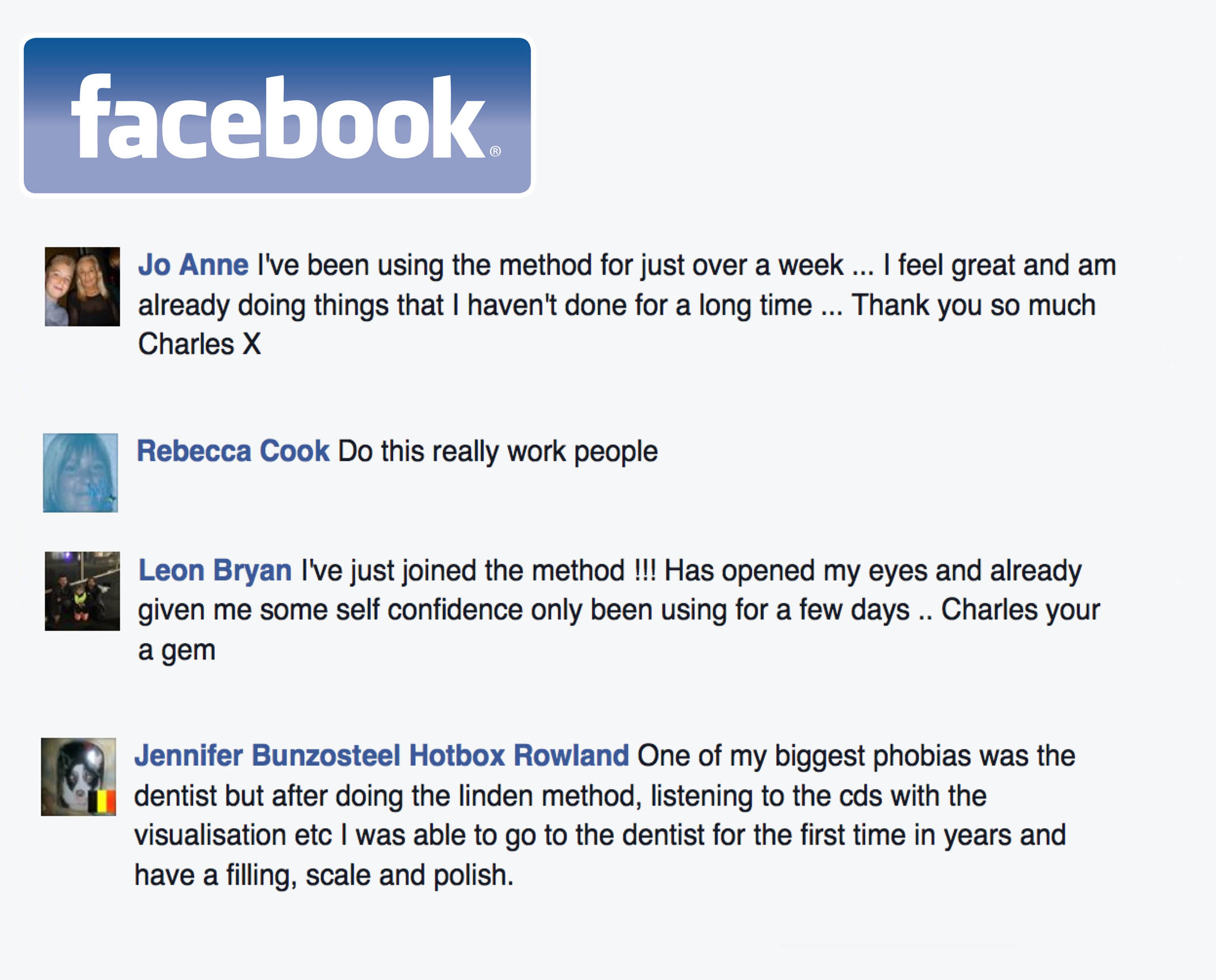
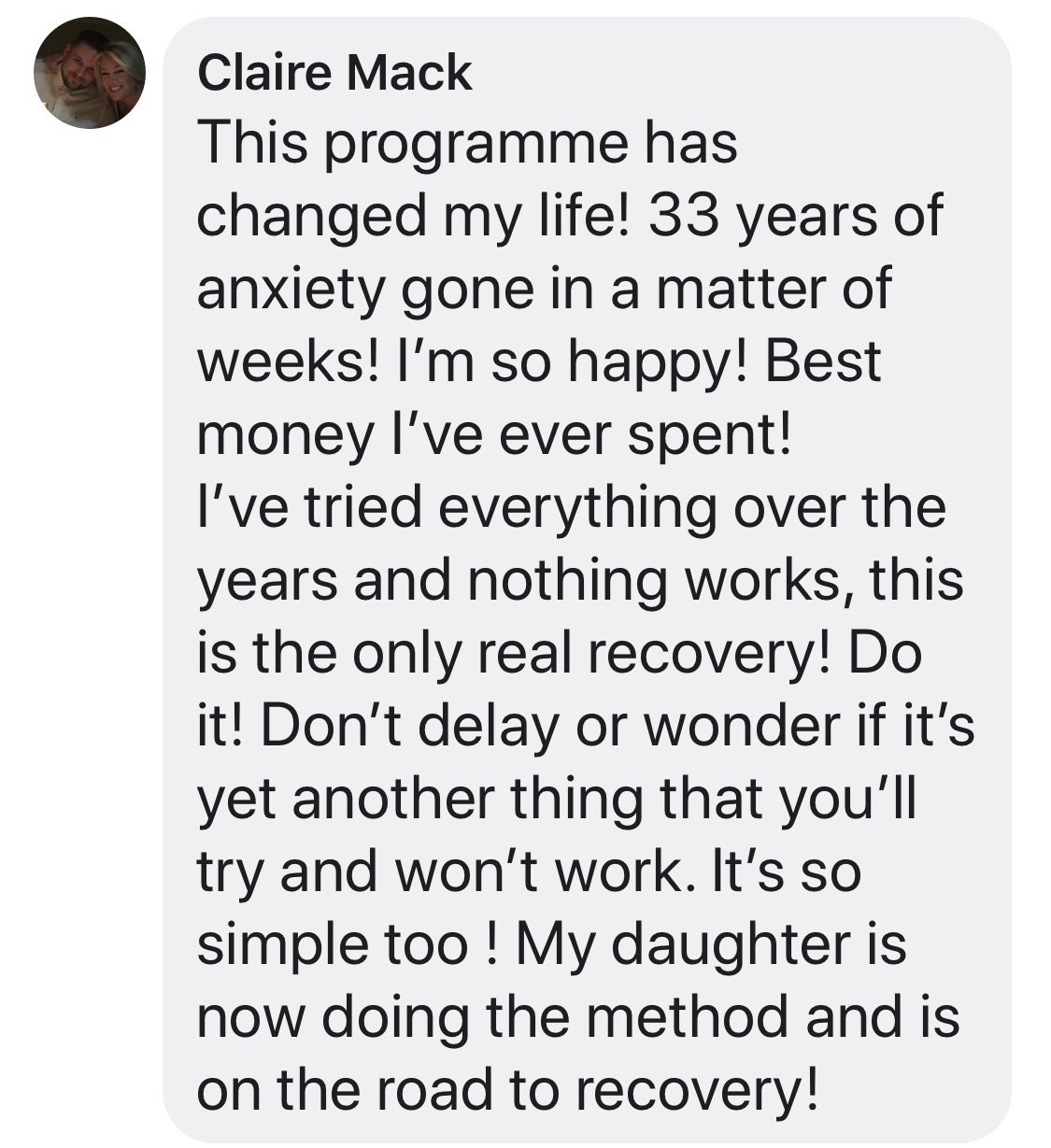
The people who recovered using Linden Recovery & TRT™ Therapy did not wait for the NHS to recommend it. They did not wait for NICE guidelines to endorse it. They looked at 30 years of documented outcomes, 650,000 recoveries, and a published neurobiological model — and they made a rational decision.
Institutions catch up. They always have. But if you are in anxiety's grip today, waiting for institutional endorsement is not a strategy. It is the thing that keeps people suffering for years when recovery is available now.